
Acetaminophen Safety Guide: Prevent Overdose and Liver Damage
 Feb, 5 2026
Every year, over 56,000 people end up in emergency rooms due to acetaminophen overdose. What's scary is most of these cases happen by accident.
Acetaminophen is a common painkiller and fever reducer found in medications like Tylenol. When used correctly, it's safe. But when you take too much, it can cause severe liver damage. The U.S. Food and Drug Administration (FDA) reports acetaminophen is in about 600 prescription and over-the-counter medicines. This makes accidental overdose easy if you don't check labels carefully.
How Accidental Overdoses Happen
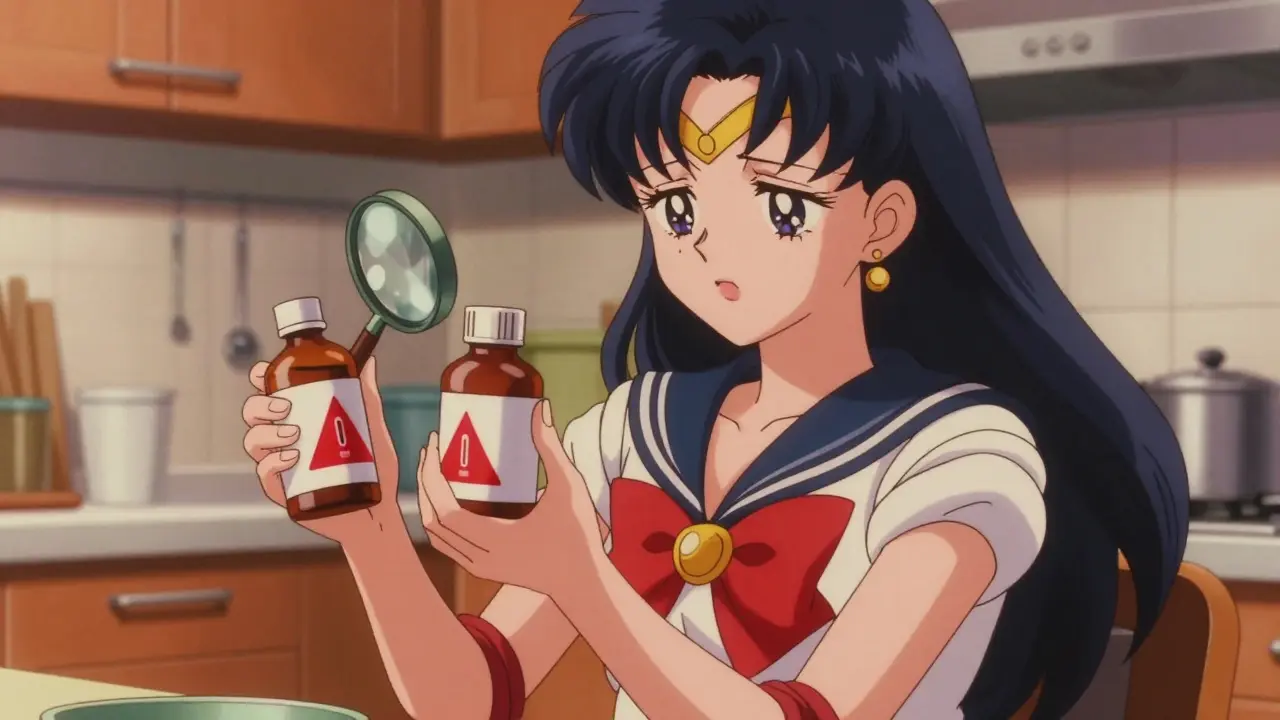
Most people don't mean to overdose on acetaminophen. They take it for a headache or fever, but don't realize other medicines they're taking also contain it. For example, cold and flu remedies often include acetaminophen. The Cleveland Clinic says 25% of accidental overdoses happen when people combine multiple acetaminophen-containing products without knowing. Even worse, some prescription painkillers like Vicodin or Percocet contain acetaminophen. Taking these with Tylenol can push you over the safe limit quickly.
Another common mistake is using kitchen spoons to measure liquid medicine. The CDC says this causes 12% of pediatric overdoses. A teaspoon isn't the same as a tablespoon, and many people mix them up. For kids, the correct dose depends on weight. Using a measuring cup or syringe from the medicine bottle is crucial.
Symptoms of Acetaminophen Overdose
Acetaminophen overdose symptoms happen in stages. Stage 1 (0-24 hours after taking too much) often includes nausea, vomiting, sweating, and feeling tired. But here's the tricky part: you might feel okay at first. Stage 2 (24-72 hours) brings more serious signs like pain in the upper right abdomen and abnormal liver test results. By Stage 3 (72-96 hours), jaundice (yellow skin or eyes), confusion, and blood clotting problems can occur. Without treatment, Stage 4 can lead to liver failure or death.
According to NCBI StatPearls, 78% of overdose cases start with nausea, and 82% of hospitalized patients develop jaundice. The real danger is that symptoms can be delayed. You might take too much, feel fine for hours, then suddenly get very sick.
How to Prevent an Acetaminophen Overdose
Preventing an overdose is simple if you know what to look for. First, always check medicine labels for "acetaminophen" or "APAP" (its abbreviation). This includes prescription drugs, cold medicines, and even some sleep aids. The FDA requires a "Liver Warning" on labels, but only 38% of people understand what it means.
Stick to the recommended dose: no more than 4,000 mg in 24 hours for adults. For safety, aim for 3,000 mg or less. Never take more than the label says, even if you're in pain. For children, always use weight-based dosing. The American Academy of Pediatrics says 10-15 mg per kilogram per dose, with no more than 5 doses in 24 hours.
Avoid alcohol while taking acetaminophen. Even three drinks a day can increase liver damage risk. And never share your medication with others. Each person's safe dose depends on their weight and health.
| Group | Maximum Daily Dose | Per Dose | Notes |
|---|---|---|---|
| Adults | 4,000 mg | 500-1,000 mg per dose | Do not exceed 6,000 mg in 24 hours |
| Children | Weight-based | 10-15 mg/kg per dose | Maximum 5 doses in 24 hours |
What to Do If You Suspect an Overdose
Time is critical. If you think you've taken too much acetaminophen, call Poison Control immediately at 1-800-222-1222 in the US. Do not wait for symptoms to appear. The American Association of Poison Control Centers says 90% of patients treated with N-acetylcysteine (NAC) within 8 hours make a full recovery without liver damage. After 16 hours, that drops to 60%.
Go to the emergency room right away. Doctors will check your liver enzymes and give you NAC, the antidote. The sooner you get treatment, the better your chances of avoiding permanent liver damage.
Frequently Asked Questions
Can I take Tylenol with other painkillers like ibuprofen?
Yes, but you must check if the other medication contains acetaminophen. Ibuprofen (Advil, Motrin) doesn't include acetaminophen, so it's safe to take together. However, many combination cold medicines do contain acetaminophen, so always read labels carefully.
Is it safe to take acetaminophen if I drink alcohol?
No. Alcohol increases the risk of liver damage from acetaminophen. Even moderate drinking (3 drinks a day) can make the toxic effects worse. If you regularly drink alcohol, talk to your doctor before using acetaminophen.
What's the maximum dose for children?
For children, dosing depends on weight. The American Academy of Pediatrics recommends 10-15 mg per kilogram per dose. Never use adult tablets for kids. Always use the measuring device that comes with the medicine and follow the label instructions exactly.
Can acetaminophen overdose be treated?
Yes, if treated quickly. The antidote N-acetylcysteine (NAC) works best when given within 8 hours of overdose. Hospitals use it routinely and it prevents liver damage in most cases. Delaying treatment increases the risk of permanent liver injury or death.
Why do some medicines have "APAP" on the label?
"APAP" is the chemical abbreviation for acetaminophen. It's used in many cold medicines, sleep aids, and prescription painkillers to save space. Always check for "APAP" when reading labels-it means the same thing as acetaminophen.
Tehya Wilson
February 6, 2026 AT 06:42This article fails to mention that many prescription painkillers contain acetaminophen
Brendan Ferguson
February 8, 2026 AT 02:15Acetaminophen is a common painkiller found in many medications, but it's easy to overdose on it accidentally.
Many people don't realize that cold medicines and prescription painkillers like Vicodin also contain acetaminophen.
The CDC says 12% of pediatric overdoses happen because of measuring errors.
Always use the measuring device that comes with the medicine.
The recommended dose for adults is no more than 4,000 mg a day, but aiming for 3,000 mg is safer.
Alcohol should be avoided when taking acetaminophen because it increases liver damage risk.
Symptoms of overdose can be delayed, so if you suspect an overdose, call Poison Control immediately at 1-800-222-1222.
N-acetylcysteine (NAC) is the antidote and works best within 8 hours.
It's crucial to check all labels for 'acetaminophen' or 'APAP' to avoid combining multiple sources.
For children, dosing is based on weight, so always follow the pediatric guidelines.
The American Academy of Pediatrics recommends 10-15 mg per kilogram per dose.
Never give adult tablets to kids.
Even moderate drinking can be dangerous.
Always store medications out of reach of children.
And remember, if you're unsure, ask your doctor or pharmacist.
Prevention is simple if you're informed.
jan civil
February 8, 2026 AT 10:55Check labels for acetaminophen or APAP
Use proper measuring tools for kids
Prevention is simple
Kate Gile
February 9, 2026 AT 12:15Exactly! Always read the labels and use the right measuring tools.
Safety is easy when you're informed
Matthew Morales
February 10, 2026 AT 16:11hey dont forget to check for APAP! i mixed tylenol and cold meds once and it was scary 😅 always read the label folks
Diana Phe
February 12, 2026 AT 04:55Big Pharma is hiding the truth about acetaminophen
The FDA is in on it
They want you to overdose so they can sell liver transplants
Carl Crista
February 13, 2026 AT 22:22The FDA doesn't care about your liver
They profit from acetaminophen overdoses
Always check for APAP
Andre Shaw
February 14, 2026 AT 08:18You're spouting nonsense
Acetaminophen is perfectly safe when used correctly
The real issue is lazy people who don't read labels
Wake up conspiracy theorist