Authorized generics: same drug, different label explained
Mar, 26 2026
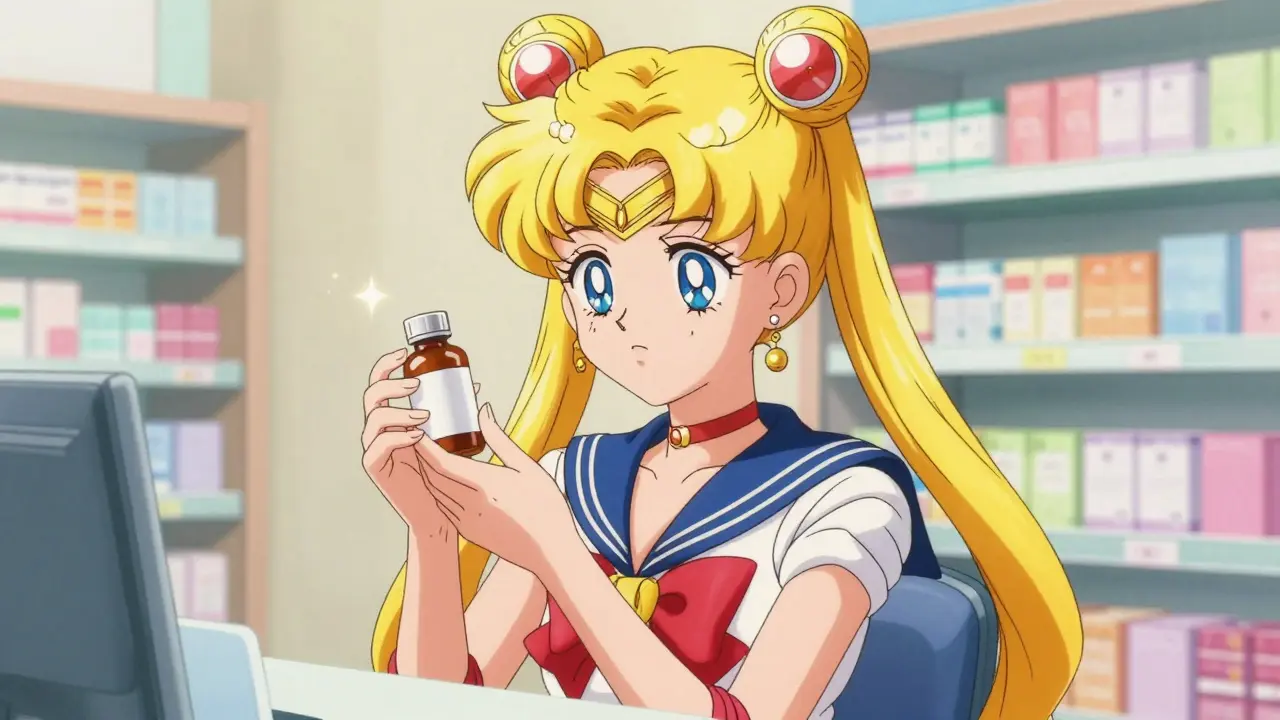
You walk into the pharmacy expecting your usual pill, but the box looks different. Maybe the color shifted slightly, or the logo is gone entirely. Is it safe? Is it the same thing you've been taking for years? This confusion sits right at the heart of **authorized generics**. It is one of those terms that sounds complicated but represents a straightforward reality in medicine: identical drugs, wrapped differently.
Many patients assume all generics are made by third-party companies competing with the original brand. That is often true, but there is a special middle ground where the original creator makes their own "generic" version. Understanding this nuance helps you navigate prescriptions, costs, and trust issues when managing your health.
Key Takeaways
Authorized generics are exact copies of a brand-name drug marketed under a different label by the original manufacturer.
They share the same ingredients, quality, and performance as the brand-name product.
Unlike traditional generics, they do not require separate safety testing because they are the same physical product.
Pricing is typically lower than the brand but can compete directly with other generic versions.
They are regulated by the FDA but may not always appear in standard drug listings like the Orange Book.
What Exactly Is an Authorized Generic?
Imagine a brand-name drug maker decides to sell their own pill without using their fancy logo. Instead of the trademarked name you recognize, it wears a chemical name like "acetaminophen" on the package. That is an authorized generic. According to the U.S. Food and Drug Administration, this occurs when a listed drug is sold directly or indirectly with labeling that differs from the brand version. Essentially, the company behind the brand keeps control of the product but strips away the branding to compete on price.
This concept emerged prominently after the Hatch-Waxman Act of 1984. Before this law, manufacturers held tighter control over pricing even after patents expired. The Act created an exclusivity period for the first company to challenge a patent and file a generic version. To maintain revenue during this window, big pharma started producing their own unbranded versions. It allowed them to stay in the game without waiting for outside competitors to dominate the shelf space.
The critical thing to grasp is the composition. If you buy the brand-name version and the authorized generic version of the same drug, the tablet inside is physically identical. They come from the same production line. The only difference lies in the cardboard box and the marketing tag attached to it. You get the same active ingredient, the same inactive fillers, and the same manufacturing standards. There is no risk of inferior materials here because the parent company stands behind the quality.
How Authorization Works Without New Testing
Traditional generic drugs must prove to regulators that they work just like the brand. They submit an Abbreviated New Drug Application, known as an ANDA. This requires showing bioequivalence, proving the generic enters the bloodstream at the same rate as the brand. But authorized generics skip this step entirely.
Instead, they operate under the brand-name drug's existing New Drug Application, or NDA. Because the authorized generic is literally the same physical batch of medicine, the FDA does not require clinical trials again. It is already approved. The manufacturer simply notifies the agency that they will market this identical product under a different label. This regulatory shortcut means authorized generics can launch faster than traditional competitors. They do not need to wait for patent challenges to finish or prove chemical similarity through lab tests.
This distinction affects how pharmacists verify medications. The FDA maintains an official list of authorized generic drugs separately from the Orange Book is the official listing of approved drug products. Many people rely on the Orange Book to check therapeutic equivalence. Since authorized generics fall under the brand's application, sometimes you won't find them listed there. Pharmacists need to know this to avoid confusion when checking formulary restrictions. They verify the source through the FDA's specific authorized generic list rather than the standard database.
Comparing Drug Categories
To truly see where authorized generics fit, you need to compare them side-by-side with brand drugs and traditional generics. Each type serves a different purpose in the market ecosystem. The table below breaks down the differences clearly.
Comparison of Brand, Authorized Generic, and Traditional Generic
Feature
Brand Name
Authorized Generic
Traditional Generic
Manufacturer
Original Company
Original Company
Different Company
Regulatory Pathway
New Drug Application
New Drug Application
Abbreviated New Drug Application
Active Ingredients
Standardized
Identical to Brand
Must Match Brand
Inactive Ingredients
Specific Formula
Same as Brand
May Vary
Packaging
Branded Logo
No Brand Logo
Generic Packaging
Notice the column for inactive ingredients. Traditional generics must match the active part, but they can use different fillers or dyes. This changes the pill's look or taste. Authorized generics cannot change these either. They keep the exact same formula. However, you might still notice a color difference occasionally. Some companies add slight markings to distinguish the generic label from the premium brand label, ensuring patients know they got the cheaper version. This transparency prevents accidental mix-ups if a doctor switches back to the branded name later.
Why Manufacturers Launch Them
It might seem strange for a company to undercut itself. Why sell a cheap version when you have a brand to protect? The answer comes down to market share and timing. When a patent nears expiration, sales plummet once generics enter the market. By launching an authorized generic, the brand owner captures some of that generic volume. They effectively become their own competition.
Companies like Pfizer, through their subsidiary Greenstone, and Procter & Gamble via Prasco utilize this strategy. They license the rights to these subsidiaries. This allows the main corporation to sell the expensive branded drug to insurance plans that cover higher costs while simultaneously offering the authorized generic to cash-paying customers or discount programs. It maximizes the profit margin across different payer types without relying solely on external competitors.
This strategy impacts the exclusivity period intended for traditional generic challengers. Under the Hatch-Waxman Act, the first company to file a generic gets 180 days of monopoly rights. If the brand launches an authorized generic during this time, it competes directly with that challenger. Critics argue this reduces the financial incentive for smaller companies to invest in challenging patents. It creates a competitive tension where the original innovator stays relevant in the lower-cost tier.
What This Means for Patients
For you, the patient, the biggest concern is usually safety and consistency. When switching from a brand to an authorized generic, rest assured the internal chemistry hasn't changed. You aren't taking an experimental alternative. You are taking the manufacturer's own product in a simpler wrapper. Some patients worry about the appearance change, thinking the color shift signals a different drug. It doesn't. It's purely cosmetic compliance to differentiate the SKU.
Price sensitivity also plays a role. These drugs are usually cheaper than the brand but might not be the absolute cheapest option available. A traditional generic from a completely different competitor could be priced lower due to volume manufacturing efficiencies. Authorized generics sit in a sweet spot: often slightly cheaper than the brand but potentially slightly more expensive than mass-market traditional generics. Insurance formularies often group them together, so the co-pay difference might be negligible for many users.
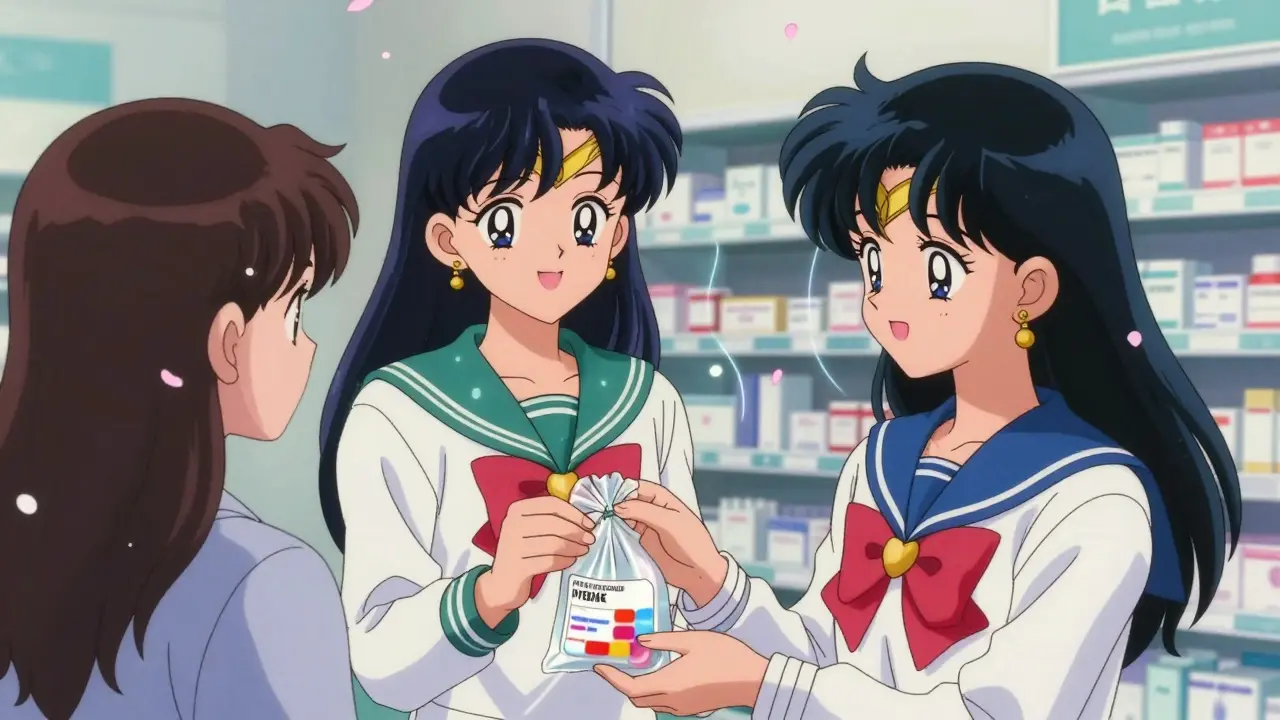
Educating prescribers is another hurdle. Doctors seeing a prescription filled as an authorized generic might think the pharmacist substituted a different generic. Because the label lacks the familiar logo, it can look unfamiliar. Checking with your local pharmacist ensures you understand why the bottle looks different. They can confirm it came from the same original supply chain, providing peace of mind regarding your therapy.
Finding Information on Your Medication
If you want to verify whether a specific pill is an authorized generic, checking the Orange Book alone might not reveal it. You need to consult the FDA's List of Authorized Generic Drugs. This resource is updated regularly to track which NDAs have spawned labeled variants. Knowing the specific drug number helps track the lineage.
Keep in mind that availability varies by region. While the concept exists in many markets, the specific regulations regarding labeling and marketing differ internationally. In the United States, the FDA definition is strict. Elsewhere, regulatory bodies like New Zealand's Medsafe might classify similar practices under different frameworks, focusing on bioequivalence requirements rather than the marketing label distinction. Always verify with your local regulatory body if you travel with medication.
Are authorized generics safer than traditional generics?
Yes, they are chemically identical to the brand-name drug. Traditional generics must prove bioequivalence, but authorized generics are the exact same product manufactured by the same company, meaning they have no variability in inactive ingredients.
Do authorized generics cost the same as brand drugs?
No, they are typically sold at a price closer to traditional generics. They offer a way to save money compared to the branded version while maintaining the same quality assurance.
Can my insurance cover authorized generics?
Most insurance plans treat authorized generics similarly to other generic alternatives. However, reimbursement policies vary by provider, so it is worth checking your formulary before purchasing.
How do I know if I received an authorized generic?
Ask your pharmacist. They can identify the manufacturer code on the packaging or check the FDA list to confirm if the product originated from the brand-name manufacturer.
Are authorized generics listed in the Orange Book?
Often not. They are usually found in a separate FDA listing because they fall under the brand's existing New Drug Application rather than a standalone generic approval.
It seems the pharmaceutical industry just can't decide how they want to sell us the same chemical soup honestly this whole authorized generic thing feels like a marketing loophole disguised as consumer advocacy so they can extract value twice from the same patent term while we argue over pill colors instead of actual efficacy data.
Paul Vanderheiden
March 28, 2026 AT 21:13
honestly this is huge progress because now people can save money while still getting the exact same quality stuff which means less stress and more peace of mind knowing the company stands behind the product
Rohan Kumar
March 30, 2026 AT 14:00
They tell you its the same drug but why would a company sell their own cheap version unless they knew the patent was expiring and wanted to milk it one last time before losing exclusivity completely right. You see the big pharma giants launching these unbranded versions immediately after the Hatch-Waxman act changes things up for smaller competitors trying to challenge patents legally. It feels like they are using regulatory shortcuts to avoid new safety testing because they already paid for the trials years ago under the original NDA application. We are basically paying for their R&D again through the higher price of the authorized generic compared to true independent generics made elsewhere. Why do the fillers look exactly the same when even color codes shift slightly just to trick the packaging machines. It creates confusion at the pharmacy counter where pharmacists struggle to distinguish between the brand name box and the plain wrapper sitting next to it. Patients end up questioning if the lack of logo means lower quality even though the internal tablet composition remains untouched by external market forces. The FDA keeps lists separate which makes tracking therapeutic equivalence really difficult for average consumers who just want a refund for their co-pay difference. Insurance formularies group them together anyway so your wallet gets hit regardless of which label sits on the bottle shelf. This strategy maximizes profit margins across different payer types without relying solely on external competitors entering the market space later. Smaller companies lose their incentive to invest in patent challenges if the original innovator stays relevant in the lower-cost tier during the monopoly window. We are being manipulated by pricing structures that claim competition exists while the supply chain remains vertically integrated entirely. It is easier to buy into the brand myth when the physical batch never leaves the factory floor despite the sticker change on the outside. People ignore the inactive ingredient consistency because they focus too much on the cardboard packaging differences. You have to look deeper into the Orange Book data to understand why these products rarely appear in standard listings despite being approved by federal regulators. The real issue is corporate greed dressed up as patient accessibility through unbranded labeling strategies.
tyler lamarre
March 31, 2026 AT 22:15
Rohan you clearly misunderstand the regulatory framework here. Authorized generics operate under existing NDAs so bioequivalence trials are redundant by definition. Stop spreading misinformation about safety protocols.
Debra Brigman
April 1, 2026 AT 18:34
The essence of medicine transcends the label placed upon the vessel and yet we obsess over the cardboard shell containing our health.
Tony Yorke
April 3, 2026 AT 12:24
yeah totally get it now
Rachael Hammond
April 3, 2026 AT 20:07
i think u are right bout the essnce part and the insurance copay reflects savings actually seen on the shelf so we should focus on that
Devon Riley
April 4, 2026 AT 09:37
It is great to see everyone engaging with the details about medication safety and cost factors involved in purchasing decisions.
Aaron Olney
April 4, 2026 AT 21:32
My doctor told me i swithced to this and my head hurt so much more than the old one and now i dont trust the pills at all anymore.
gina macabuhay
April 5, 2026 AT 06:10
Your anecdotal evidence proves nothing scientifically regarding active ingredient composition.
Monique Louise Hill
April 6, 2026 AT 10:20
It is dishonest for companies to play games with pricing when ordinary folks are struggling with bills.
Austin Oguche
April 6, 2026 AT 13:55
Understanding the regulatory pathways helps maintain proper expectations during treatment transitions.

 Mar, 26 2026

Jeannette Kwiatkowski Kwiatkowski
March 27, 2026 AT 19:46It seems the pharmaceutical industry just can't decide how they want to sell us the same chemical soup honestly this whole authorized generic thing feels like a marketing loophole disguised as consumer advocacy so they can extract value twice from the same patent term while we argue over pill colors instead of actual efficacy data.
Paul Vanderheiden
March 28, 2026 AT 21:13honestly this is huge progress because now people can save money while still getting the exact same quality stuff which means less stress and more peace of mind knowing the company stands behind the product
Rohan Kumar
March 30, 2026 AT 14:00They tell you its the same drug but why would a company sell their own cheap version unless they knew the patent was expiring and wanted to milk it one last time before losing exclusivity completely right. You see the big pharma giants launching these unbranded versions immediately after the Hatch-Waxman act changes things up for smaller competitors trying to challenge patents legally. It feels like they are using regulatory shortcuts to avoid new safety testing because they already paid for the trials years ago under the original NDA application. We are basically paying for their R&D again through the higher price of the authorized generic compared to true independent generics made elsewhere. Why do the fillers look exactly the same when even color codes shift slightly just to trick the packaging machines. It creates confusion at the pharmacy counter where pharmacists struggle to distinguish between the brand name box and the plain wrapper sitting next to it. Patients end up questioning if the lack of logo means lower quality even though the internal tablet composition remains untouched by external market forces. The FDA keeps lists separate which makes tracking therapeutic equivalence really difficult for average consumers who just want a refund for their co-pay difference. Insurance formularies group them together anyway so your wallet gets hit regardless of which label sits on the bottle shelf. This strategy maximizes profit margins across different payer types without relying solely on external competitors entering the market space later. Smaller companies lose their incentive to invest in patent challenges if the original innovator stays relevant in the lower-cost tier during the monopoly window. We are being manipulated by pricing structures that claim competition exists while the supply chain remains vertically integrated entirely. It is easier to buy into the brand myth when the physical batch never leaves the factory floor despite the sticker change on the outside. People ignore the inactive ingredient consistency because they focus too much on the cardboard packaging differences. You have to look deeper into the Orange Book data to understand why these products rarely appear in standard listings despite being approved by federal regulators. The real issue is corporate greed dressed up as patient accessibility through unbranded labeling strategies.
tyler lamarre
March 31, 2026 AT 22:15Rohan you clearly misunderstand the regulatory framework here. Authorized generics operate under existing NDAs so bioequivalence trials are redundant by definition. Stop spreading misinformation about safety protocols.
Debra Brigman
April 1, 2026 AT 18:34The essence of medicine transcends the label placed upon the vessel and yet we obsess over the cardboard shell containing our health.
Tony Yorke
April 3, 2026 AT 12:24yeah totally get it now
Rachael Hammond
April 3, 2026 AT 20:07i think u are right bout the essnce part and the insurance copay reflects savings actually seen on the shelf so we should focus on that
Devon Riley
April 4, 2026 AT 09:37It is great to see everyone engaging with the details about medication safety and cost factors involved in purchasing decisions.
Aaron Olney
April 4, 2026 AT 21:32My doctor told me i swithced to this and my head hurt so much more than the old one and now i dont trust the pills at all anymore.
gina macabuhay
April 5, 2026 AT 06:10Your anecdotal evidence proves nothing scientifically regarding active ingredient composition.
Monique Louise Hill
April 6, 2026 AT 10:20It is dishonest for companies to play games with pricing when ordinary folks are struggling with bills.
Austin Oguche
April 6, 2026 AT 13:55Understanding the regulatory pathways helps maintain proper expectations during treatment transitions.