
How to Compare New Prescription Labels with Your Old Medication for Safety
 Dec, 22 2025
Why Comparing Your New Prescription Label Matters
Every time you pick up a refill, your pills might look different. Same medicine. Different color. Different shape. Maybe even a different logo stamped on it. That’s not a mistake-it’s normal. But if you don’t check the label, you could accidentally take the wrong dose, double up on meds, or even mix up pills for someone else. Medication errors like these send over 1.5 million people to the emergency room every year in the U.S. alone. The good news? You don’t need to be a pharmacist to catch these mistakes. You just need to know what to look for.
What to Check on Every New Prescription Label
Don’t just grab your bottle and go. Take five seconds to compare the new label with the old one. Here’s what to verify, step by step:
- Patient name - Is it spelled exactly right? Even one letter wrong could mean someone else’s meds are in your hand.
- Medication name - Look for both the brand name (like Lipitor) and the generic name (like atorvastatin). If one is missing or swapped, ask your pharmacist.
- Dosage strength - Is it 10 mg? 5 mg? 25 mg? A small change here can be dangerous, especially with blood thinners, seizure meds, or thyroid drugs.
- Quantity - Did you get 30 pills or 90? If the number doesn’t match your last refill, it’s worth asking why.
- Prescriber name - Is it your doctor? If not, someone else may have reordered your meds without your knowledge.
- Refills remaining - Your last bottle might’ve said ‘2 refills left.’ Does the new one say the same? A drop in refill count could mean your doctor changed your plan.
- Manufacturer - Look for ‘Mfg:’ followed by a company name like ‘ACCORD HEALTHCARE’ or ‘TEVA.’ If it’s different from your last bottle, that’s why your pills look different. It’s okay-unless you’re on a narrow-therapeutic-index drug.
- Expiration date - It’s not always required, but if it’s listed, make sure it’s at least 6 months out. If it’s expired or close, don’t take it.
Why Your Pills Look Different (And Why That’s Usually Fine)
Generic drugs are cheaper because they don’t have to look like the brand name version. The FDA lets manufacturers change the color, shape, size, and even the imprint on the pill-as long as the active ingredient, strength, and how it works in your body are the same. So if your blue 10mg atorvastatin from last month is now a white oval pill with ‘ATV 10’ stamped on it, that’s normal. It’s still the same medicine.
But here’s the catch: for some medications, even tiny differences in how the generic is made can affect how your body absorbs it. That’s why doctors often say ‘brand substitution not permitted’ on prescriptions for drugs like warfarin (blood thinner), levothyroxine (thyroid), or epilepsy meds like phenytoin. If you see that phrase on your label, the pharmacy isn’t allowed to switch you to a different generic without your doctor’s okay.
What to Do When the Pill Looks Wrong
If your new pills look nothing like your old ones, don’t guess. Don’t assume. Don’t take them until you’re sure.
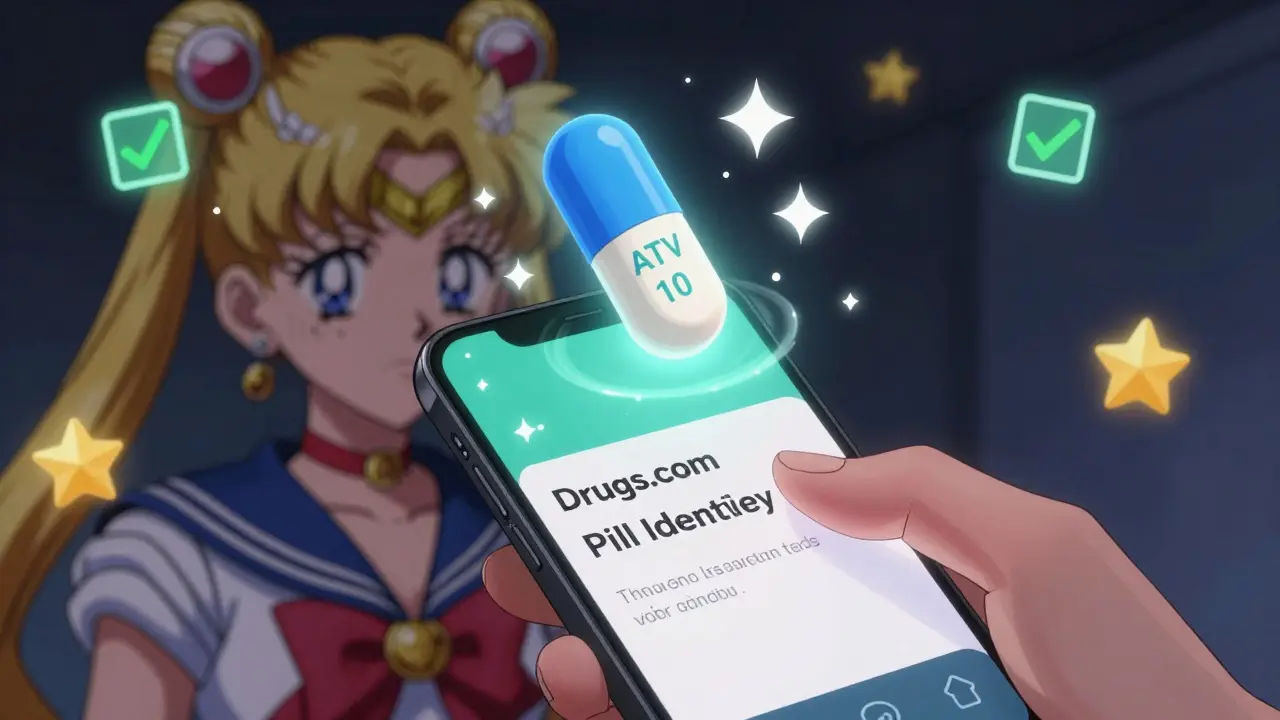
Use the Drugs.com Pill Identifier. It’s free. Just enter the shape, color, and imprint (the letters or numbers on the pill). It will show you a picture and confirm the drug name and dose. You can also take a photo of the pill and upload it to apps like MedSnap-used by over 1.2 million people in 2023-to get instant identification.
Still unsure? Call your pharmacist. Ask: ‘Is this the same medication I got last time? The pill looks different.’ Most pharmacists are happy to explain. Some will even let you compare the new bottle side-by-side with the old one.
Red Flags That Mean STOP
Some changes aren’t normal-and they’re dangerous. Walk away and call your doctor or pharmacist immediately if you see:
- The active ingredient changed (e.g., you were on lisinopril and now it says hydrochlorothiazide).
- The dosage is doubled or halved without your doctor’s note.
- You’re being given two different versions of the same drug (e.g., brand and generic together).
- The label says ‘brand substitution not permitted’ but you got a different generic anyway.
- The Rx number is the same, but the prescriber name changed.
One real case from the Journal of Patient Safety: a man mixed all his pills into one bottle. When his blood pressure med changed shape, he didn’t notice-and accidentally took two doses. He ended up in the hospital with dangerously low blood pressure. That’s why keeping your pills in their original bottles matters.
How to Stay Organized
People over 65 are most likely to rely on pill appearance to tell meds apart. That’s risky if the pills change every refill. Here’s how to stay safe:
- Take a photo of each new bottle as soon as you get it. Keep them in a folder on your phone.
- Write the drug name and dose on a sticky note and tape it to the bottle if the label is hard to read.
- Use a pill organizer only if you’re confident the meds are correct. Never mix pills from different bottles into one.
- Keep a printed list of all your meds-name, dose, purpose, and manufacturer-on your fridge or wallet. Update it every time you get a new prescription.
One patient on Reddit, u/MedicareMom, started taking photos after her thyroid meds changed shape twice in a row. The third time, the new pills were twice as big-but same dose. Her photo saved her from taking a potentially harmful dose.
Electronic Prescriptions Are Safer
Handwritten prescriptions are the #1 source of labeling errors. A 2023 study found 61% of handwritten scripts used confusing Latin abbreviations like ‘qd’ (once daily) or ‘bid’ (twice daily). That’s why 85% of prescriptions in the U.S. are now sent electronically. Pharmacies scan a barcode on the prescription, which pulls the exact drug, dose, and instructions straight into their system-no guessing, no typos.
If your doctor still writes scripts by hand, ask if they can switch to e-prescribing. It’s faster, safer, and reduces your risk of getting the wrong meds.
What’s Changing in 2025
By next year, 95% of prescription labels in the U.S. will follow new FDA guidelines for clearer language. That means:
- No more ‘take one by mouth daily’-it’ll say ‘take one pill every day.’
- Stronger warnings for high-risk drugs.
- QR codes on labels that link to videos or audio instructions in multiple languages.
Some pharmacies are already testing these. Kaiser Permanente rolled out QR codes in 2022, and patients who used them were 40% less likely to make a dosing mistake.
Final Tip: Trust Your Gut
If something feels off-don’t ignore it. You know your body. You know your meds. If the pill looks wrong, the label seems confusing, or the refill count dropped for no reason, speak up. Pharmacists are there to help. And if they seem annoyed? Find a new one. Your safety isn’t negotiable.
Why do my pills look different every time I refill my prescription?
Generic drug manufacturers aren’t allowed to copy the shape, color, or size of brand-name pills. So even if the active ingredient is the same, the pill can look completely different. This is legal and common-90% of prescriptions in the U.S. are filled with generics. But if you’re on a narrow-therapeutic-index drug like warfarin or levothyroxine, your doctor may have marked the prescription ‘brand substitution not permitted’ to avoid even small variations.
What should I do if the dosage on my new label is different?
Stop. Don’t take the pills. Call your pharmacist and your doctor immediately. A change in dosage-even from 5mg to 10mg-can be dangerous, especially for blood pressure, thyroid, or seizure medications. It could be a pharmacy error, or your doctor may have updated your prescription. Either way, confirm before taking anything.
Can I trust a generic drug as much as the brand name?
Yes-for most people, generic drugs are just as safe and effective as brand names. The FDA requires generics to have the same active ingredient, strength, dosage form, and how quickly they work in your body. But for a small group of medications-like blood thinners, epilepsy drugs, or thyroid meds-tiny differences in how the generic is made can affect how your body absorbs it. If you’ve been stable on one generic brand, your doctor may recommend staying on it.
How do I know if a pill is the right one if I don’t know what it looks like?
Use the free Pill Identifier tool on Drugs.com. Enter the shape, color, and any letters or numbers stamped on the pill. It will show you a picture and confirm the drug name and dose. You can also take a photo and use apps like MedSnap. If you’re still unsure, call your pharmacist. They have access to databases that can identify any pill in seconds.
Is it safe to put all my pills in one container?
No. Mixing pills from different bottles increases your risk of taking the wrong one-especially if the pills change shape or color between refills. In one documented case, a patient mixed several meds into one bottle and accidentally doubled his dose when his blood pressure pill changed appearance. Always keep pills in their original labeled containers. Use a pill organizer only if you’ve confirmed each compartment is correct.
What does ‘brand substitution not permitted’ mean on my prescription?
It means your doctor has asked the pharmacy to give you the exact same version of the drug every time-even if it’s a generic. This is common for medications where small changes in how the drug is absorbed can cause serious side effects, like warfarin, levothyroxine, or phenytoin. If you see this on your label, the pharmacy shouldn’t switch you to a different generic without calling your doctor first.
Should I ask my pharmacist to explain my new prescription?
Absolutely. Pharmacists are trained to explain your meds. If you’re unsure about the name, dose, or why your pills look different, ask. You have the right to understand what you’re taking. Many pharmacies offer free medication reviews-especially if you take three or more prescriptions. Take advantage of it.
Raja P
December 24, 2025 AT 08:08Joseph Manuel
December 24, 2025 AT 18:29Harsh Khandelwal
December 26, 2025 AT 04:25Andy Grace
December 27, 2025 AT 10:08Delilah Rose
December 27, 2025 AT 14:44Spencer Garcia
December 28, 2025 AT 15:20Abby Polhill
December 29, 2025 AT 04:27Bret Freeman
December 30, 2025 AT 12:54Lindsey Kidd
December 31, 2025 AT 20:04Austin LeBlanc
January 1, 2026 AT 19:13niharika hardikar
January 2, 2026 AT 03:52