
How to Evaluate Stability of Repackaged or Pillbox Medications
 Mar, 19 2026
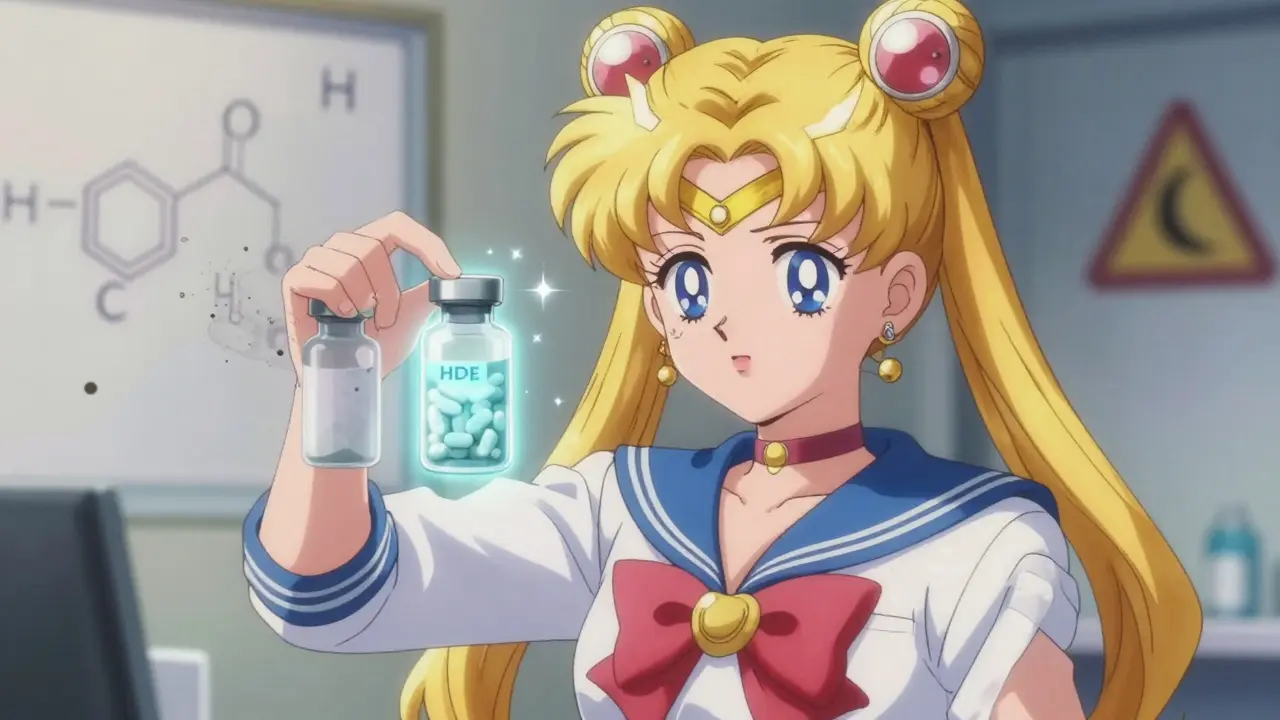
When you pick up your medications from the pharmacy, they’re often packed in a small plastic vial or a plastic pill organizer with compartments for each day of the week. It’s easy to assume that the expiration date on the original bottle still applies. But repackaged medications don’t behave the same way as those in their original packaging. The container, the environment, and even what other drugs are stored with them can change how long your pills stay safe and effective. If you’re a pharmacist, a caregiver, or someone managing multiple medications at home, understanding how to evaluate the stability of these repackaged drugs isn’t just helpful-it’s critical for safety.
Why Original Expiration Dates Don’t Apply
The expiration date printed on a medication bottle isn’t just a suggestion. It’s based on rigorous testing under controlled conditions: specific temperature, humidity, light exposure, and most importantly, the original container. That container was designed to protect the drug from air, moisture, and light. When a pill is moved into a different container-say, a pharmacy vial or a plastic pillbox-the protection changes. And that changes how fast the drug breaks down. A 2019 study in the Journal of Pharmaceutical Sciences found that albuterol sulfate tablets stored in standard pharmacy vials lost 15.7% of their potency after 90 days. In their original HDPE bottles with desiccants, the same pills lost just 3.2%. That’s more than four times the degradation. This isn’t an outlier. Similar results show up for other common drugs like amoxicillin, nifedipine, and atenolol. The FDA’s 2023 warning letter to a major pharmacy chain cited exactly this issue: pharmacies assigning the original expiration date to repackaged drugs without any testing. That’s a violation. And it puts patients at risk.What Causes Medications to Degrade in Repackaged Form
Drugs break down in predictable ways, but repackaging can speed up those processes. The main culprits are:- Moisture: Many pills are sensitive to water. Even a little humidity can cause them to swell, stick together, or chemically break down. This is called hydrolysis. Amoxicillin, for example, degrades rapidly in damp environments.
- Oxygen: Some drugs oxidize when exposed to air. This can change their color, smell, or effectiveness. Vitamins and certain antibiotics are especially vulnerable.
- Light: UV light can break down molecules in medications. Nifedipine, a blood pressure drug, turns brown and loses potency when exposed to light-even brief exposure.
- Temperature: Heat speeds up chemical reactions. A pill sitting on a windowsill or in a warm bathroom will degrade faster than one stored in a cool, dry cabinet.
- Physical interactions: In pillboxes, multiple drugs are packed together. Sometimes they react. One pill might release moisture that makes another pill stick. Or chemical vapors from one drug might affect another. A 2022 study found that 18.7% of combined medications in pill organizers showed physical changes within two weeks.
These aren’t theoretical risks. They’re measurable. The FDA’s 2023 data showed that 22% of repackaged medications tested after 90 days had degraded beyond acceptable limits. Compare that to just 3% of medications in their original packaging.

How to Test Stability: What Pharmacies Should Do
For pharmacies that repackage medications, there’s a clear protocol based on guidelines from the USP, FDA, and ASHP. Here’s what a proper stability evaluation looks like:- Identify the drug’s sensitivity. Is it hygroscopic? Light-sensitive? Oxidation-prone? The USP Chapter <1151> and EDQM Technical Report 31 list which drugs need special handling.
- Use the right container. Amber glass vials block light better than clear plastic. Vials with desiccants cut moisture exposure. The Journal of the American Pharmacists Association found that adding desiccant packs extended stability by 47% in a trial of over 8,400 repackaged units.
- Set realistic expiration dates. The International Pharmaceutical Federation (FIP) recommends a maximum of 6 months for most solid oral drugs under standard storage. But many states have stricter rules: 17 states limit certain drugs to 30-90 days. The Parenteral Drug Association’s Technical Report No. 73 gives specific guidance: 30 days for amoxicillin, 60 days for nifedipine, 90 days for atenolol.
- Test with stability-indicating methods. HPLC (High-Performance Liquid Chromatography) is the gold standard. It can detect tiny amounts of degradation products-down to 0.05%. For high-risk drugs like blood thinners or chemotherapy agents, this testing is mandatory. For others, bracketing based on similar drugs may be acceptable.
- Test under stress conditions. The University of Michigan’s protocol recommends exposing samples to 40°C and 75% humidity for 14 days. If the drug degrades under those conditions, it won’t last long in normal storage either.
Many community pharmacies don’t have HPLC machines. That’s a problem. The Journal of the American Pharmacists Association found only 28% of independent pharmacies have access to this equipment. Without it, they’re forced to rely on manufacturer data-which doesn’t apply to repackaged drugs. This gap between what’s needed and what’s possible is one of the biggest safety risks in pharmacy practice today.
Pillbox Medications: A Hidden Risk
Pill organizers are convenient. But they’re also the most poorly regulated form of repackaging. A single organizer might hold 8-12 different medications from different manufacturers, all in the same plastic tray. No one tests how these drugs interact. No one checks for moisture transfer between pills. No one considers whether the plastic tray blocks light or if it’s permeable to air. A 2022 study in Pharmaceutical Research found that 18.7% of pillbox combinations showed visible changes-caking, color shifts, or sticking-within 14 days. That’s more than one in six. And those changes aren’t just cosmetic. They mean the drug is breaking down. If a pill crumbles or changes color, it’s no longer reliable. The best practice? Don’t combine medications unless you’ve tested them. If you must use a pillbox, use one with individual sealed compartments. Store it in a cool, dry place. And never use a pillbox for more than 30 days without checking for physical changes.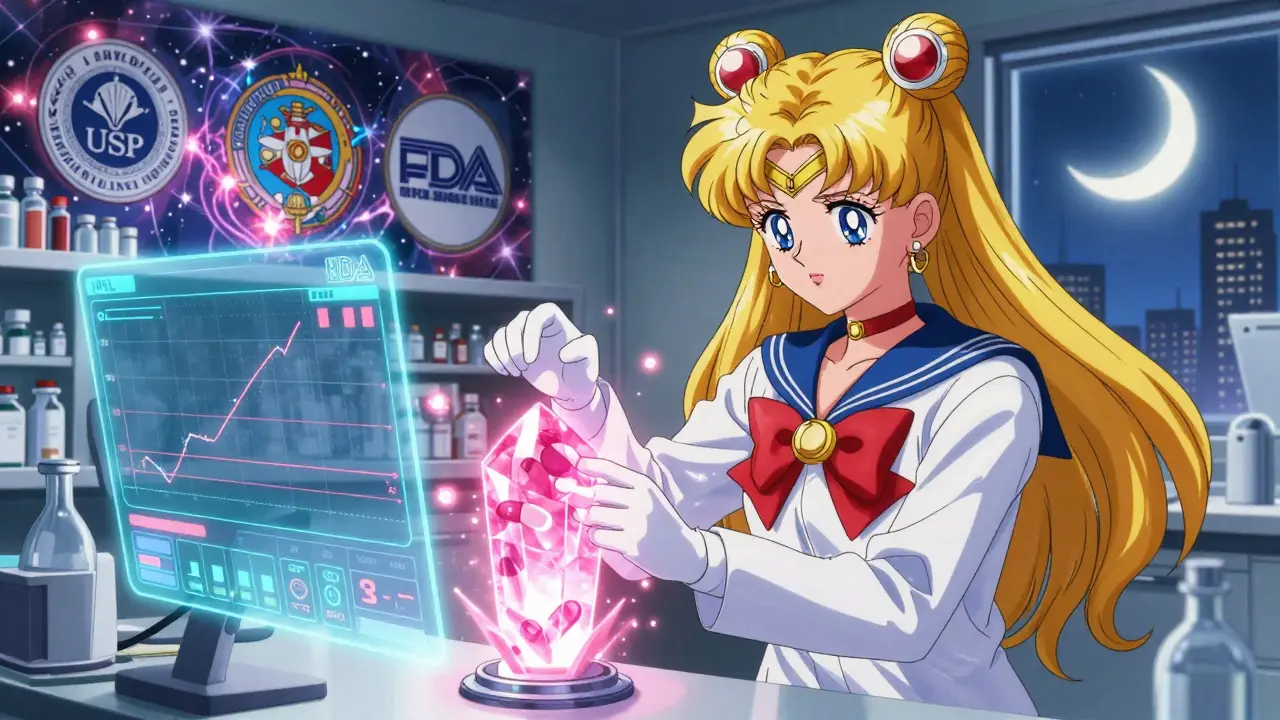
What You Can Do as a Patient or Caregiver
You don’t need a lab to protect yourself. Here’s what you can do:- Ask your pharmacist: “What’s the expiration date for this repackaged medication?” If they say “the same as the original bottle,” push back. That’s not correct.
- Check for physical changes: Look for discoloration, crumbling, sticking together, or odd smells. If something looks off, don’t take it.
- Store properly: Keep repackaged meds in a cool, dry place-not the bathroom or near the stove. Use airtight containers if possible.
- Use pill organizers wisely: Fill them weekly, not monthly. Discard any that show signs of moisture or clumping.
- Check the FDA’s guidelines: The Compliance Policy Guide 7132c.10 says you can only use the original expiration date if the drug is still in its original container with the original seal and desiccant. Anything else requires a new date.
The USP is finalizing Chapter <1790> in late 2024, which will standardize testing for repackaged drugs. But until then, the responsibility falls on you and your pharmacist. Don’t assume. Ask. Check. Verify.
What’s Changing in 2024 and Beyond
Regulations are catching up. The Pharmaceutical Compounding Accreditation Board (PCAB) now requires 8 hours of stability training per year for pharmacists who repackage meds. The FDA’s 2023 draft guidance demands container integrity testing using vacuum decay methods with detection limits of 5 microns or better. And the European Medicines Agency is moving toward expiration dates based on drug properties-not arbitrary time limits. But the biggest barrier isn’t regulation. It’s resources. A 2023 Congressional Budget Office report estimated that full compliance would cost the pharmacy industry $287 million a year. But it would prevent $1.2 billion in adverse events and wasted drugs. That’s a net savings. And it’s not just about money-it’s about safety.Until every pharmacy can afford HPLC testing and proper storage systems, patients need to be their own advocates. If your meds look different, smell odd, or have been sitting in a pillbox for more than a month-ask for a new batch. It’s not overcautious. It’s smart.
Can I use the original expiration date on repackaged medications?
No. The expiration date on the original bottle only applies if the medication stays in that original container with its original seal and desiccant. Once it’s repackaged-whether into a pharmacy vial or a pillbox-the expiration date is no longer valid. The FDA explicitly states that pharmacies must establish new expiration dates based on stability testing, not assume the original one still holds.
How long can repackaged pills last?
It depends on the drug and the storage conditions. For most solid oral medications stored in standard pharmacy vials, the maximum recommended stability is 6 months. But many states enforce stricter limits: 30-90 days for certain drugs. For example, amoxicillin should not be used beyond 30 days after repackaging, nifedipine beyond 60 days, and atenolol up to 90 days. These limits are based on actual degradation data, not guesswork.
Do desiccant packs really help?
Yes. A multicenter trial involving over 8,400 repackaged units showed that adding desiccant packs extended the stability of moisture-sensitive drugs by 47%. This is especially important for drugs like amoxicillin, doxycycline, and certain antifungals. Even a small packet inside the vial can make a measurable difference in how long the medication stays potent.
Is it safe to use a pillbox for all my medications?
Not without caution. When multiple medications are stored together in a single pillbox, 18.7% show physical changes-like caking or color shifts-within two weeks. These changes indicate degradation. If you use a pillbox, fill it weekly, avoid combining drugs unless tested, and store it in a cool, dry place. Never use a pillbox for more than 30 days without checking for signs of damage.
What should I do if my repackaged pills look different?
If your pills have changed color, smell, or texture-crumbling, sticking together, or appearing wet-do not take them. These are signs of degradation. Contact your pharmacist immediately. They should replace the medication and review the storage conditions. Taking degraded medication can mean ineffective treatment or even harmful side effects.
David Robinson
March 19, 2026 AT 20:04Jeremy Van Veelen
March 20, 2026 AT 03:17Laura Gabel
March 20, 2026 AT 11:05jerome Reverdy
March 21, 2026 AT 16:38Andrew Mamone
March 22, 2026 AT 07:43MALYN RICABLANCA
March 23, 2026 AT 18:46gemeika hernandez
March 24, 2026 AT 07:32Nicole Blain
March 24, 2026 AT 22:22Kathy Underhill
March 25, 2026 AT 07:46