
How to Prepare for and Ask the Right Questions About Medications with Your OB/GYN
 Jan, 20 2026
When you’re planning a pregnancy or already pregnant, your body changes in ways no other time in your life will. That includes how your body reacts to every pill, drop, or supplement you take. What was safe last year might not be safe now. And what you think is harmless-like a herbal tea or a fish oil capsule-could be doing more harm than good. The good news? Your OB/GYN is trained to help you sort this out. But only if you show up prepared.
Why Medication Talks with Your OB/GYN Are Different
Most doctors review your meds once a year. Your OB/GYN needs to do it every visit-especially if you’re pregnant or trying to conceive. Why? Because some medications can interfere with ovulation, increase miscarriage risk, or affect fetal development. Even common painkillers like ibuprofen can be risky after 20 weeks of pregnancy. And while your primary care doctor might not think twice about your St. John’s Wort or melatonin, your OB/GYN knows these can mess with hormones or reduce birth control effectiveness by up to 50%.ACOG (the American College of Obstetricians and Gynecologists) says every woman planning pregnancy should have a full medication review. That includes everything: prescriptions, over-the-counter drugs, vitamins, herbal teas, CBD gummies, and even topical creams. If you’re breastfeeding, the stakes are even higher-meds can pass into breast milk and affect your baby’s sleep, digestion, or brain development.
What to Bring to Your Appointment
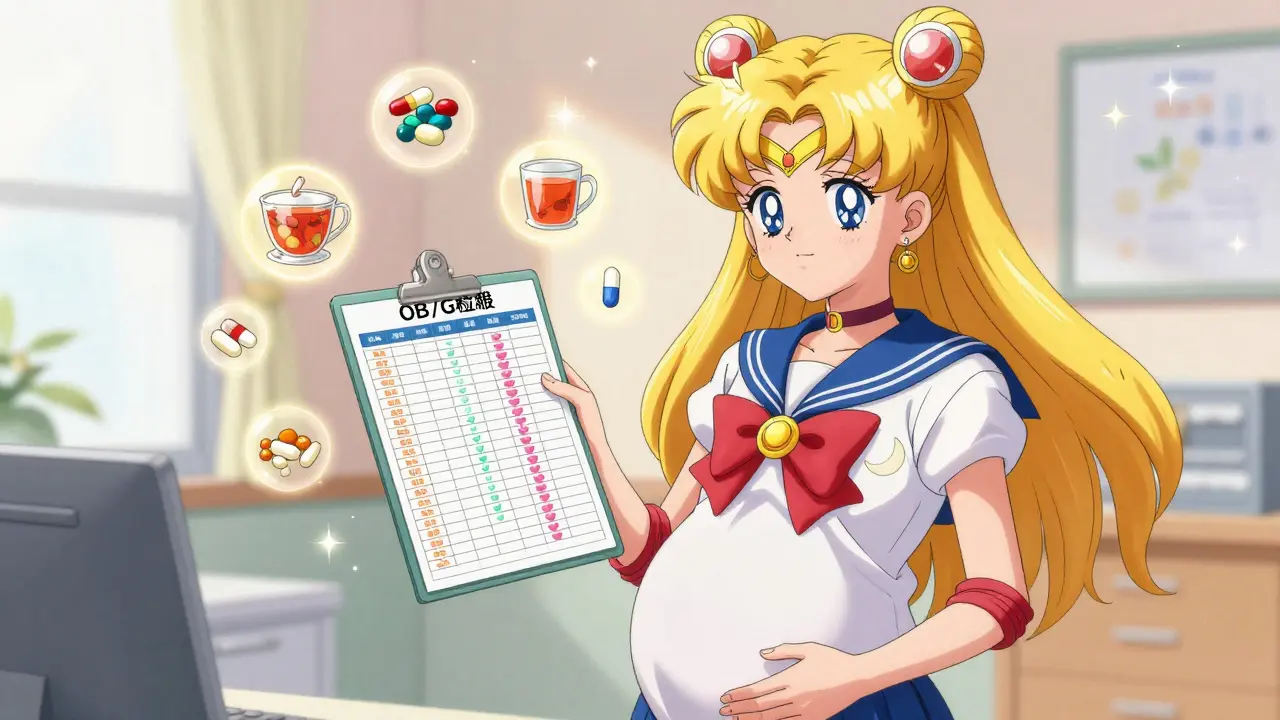
Don’t rely on memory. Write it down. Here’s exactly what to include:- Prescription meds: Name, dose, how often you take it, and why. Example: Levothyroxine 75 mcg, one pill daily, for hypothyroidism.
- Over-the-counter drugs: Ibuprofen, acetaminophen, cold pills, antacids-even if you only take them once a month.
- Supplements: Prenatal vitamins, iron, omega-3s, magnesium, zinc. Don’t forget brands. Some prenatal vitamins have too much vitamin A, which can be toxic.
- Herbs and teas: Red raspberry leaf, ginger tea, chamomile, evening primrose oil. Yes, even “natural” stuff. Evening primrose oil, for example, can trigger contractions.
- Recreational substances: Alcohol, nicotine, cannabis. Be honest. Your OB/GYN isn’t here to judge-they’re here to help you stay safe.
Pro tip: Take photos of each bottle with your phone. If you can’t remember the exact dose, a picture of the label is better than guessing. One patient in Denver brought a spreadsheet with 17 items-including a brand of turmeric supplement she didn’t think counted. Her OB printed it and kept it in her chart. That’s the kind of prep that makes a difference.
Questions to Ask Your OB/GYN
Don’t wait for your doctor to ask. Come ready with these questions:- Is this medication safe during pregnancy or breastfeeding? Don’t settle for “probably.” Ask if it’s classified as Category A, B, C, D, or X (A is safest, X is dangerous).
- Is there a safer alternative? For example, if you’re on a blood pressure med like lisinopril (Category D), ask about labetalol or methyldopa (both Category C, but safer in pregnancy).
- Do I need to stop this before trying to conceive? Some meds, like acne treatments (isotretinoin) or certain antidepressants, need to be cleared from your system months before pregnancy.
- What happens if I can’t stop this med? If you have epilepsy, depression, or high blood pressure, you might need to stay on your med. Your OB/GYN should explain the risks vs. benefits clearly.
- Will this affect my fertility? Some antidepressants, thyroid meds, and even high-dose zinc can impact ovulation.
- How will you monitor me if I keep taking this? For example, if you’re on thyroid medication, you’ll need TSH tests every 4-6 weeks during pregnancy.
Common Mistakes People Make
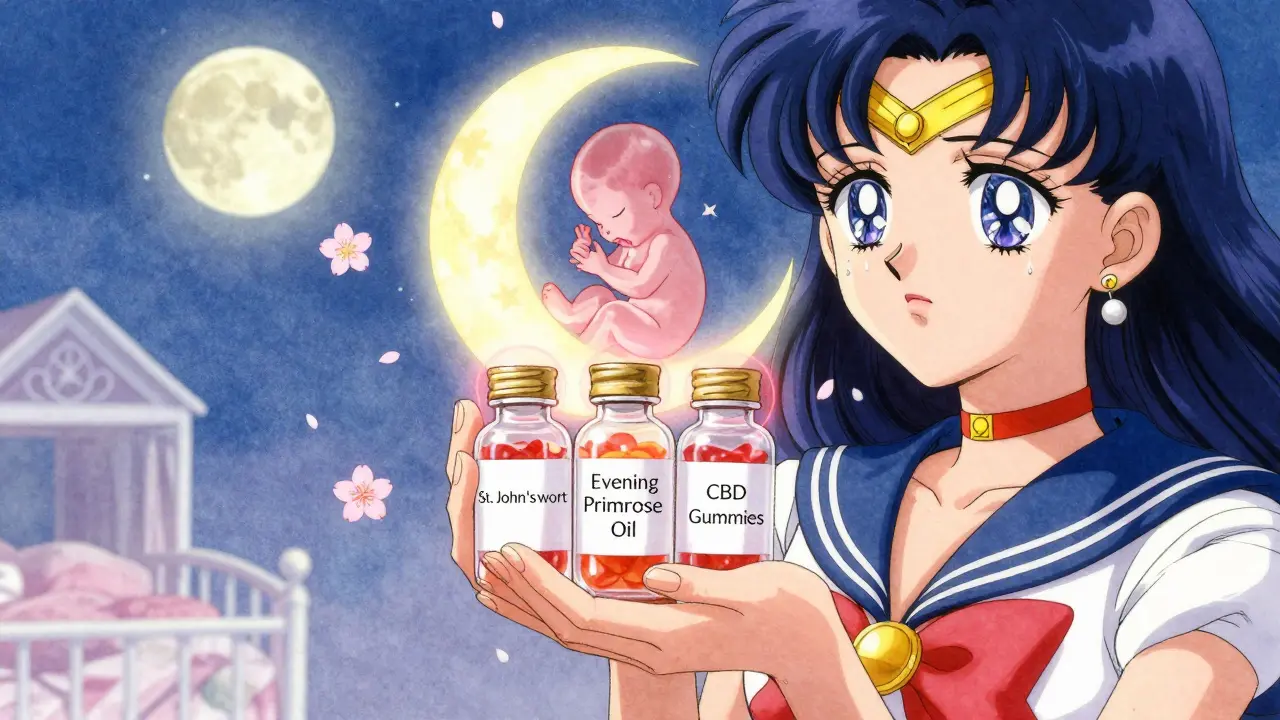
You’re not alone if you’ve made one of these:- Thinking “natural” means safe. St. John’s Wort, black cohosh, and dong quai can interfere with hormones or cause uterine contractions.
- Forgetting supplements. A 2022 survey found 41% of patients didn’t mention supplements because they didn’t think they counted as “medication.”
- Waiting until you’re pregnant to ask. If you’re trying to conceive, start this conversation at least 3 months before stopping birth control. Folic acid, for example, needs to be in your system for at least a month before conception to prevent neural tube defects.
- Assuming your OB/GYN knows your full history. They might not have access to your other doctors’ records. You’re the only one who knows everything you’re taking.
What Your OB/GYN Won’t Tell You (But Should)
Many OB/GYNs focus on pregnancy-safe meds but don’t talk about what happens after birth. If you’re breastfeeding, ask:- Which meds are safe while nursing? SSRIs like sertraline are usually fine. Benzodiazepines? Not so much.
- How long after taking a dose should I wait to breastfeed? For some pain meds, waiting 2-4 hours reduces baby exposure.
- Will this affect my milk supply? Antihistamines, decongestants, and some birth control pills can reduce milk production.
Also, don’t assume your OB/GYN knows about your cannabis use. Only 38% of providers routinely screen for medical marijuana-even though 18% of reproductive-aged women use it. If you use it for pain, anxiety, or nausea, tell them. There are safer ways to manage symptoms during pregnancy.
What to Expect After the Discussion
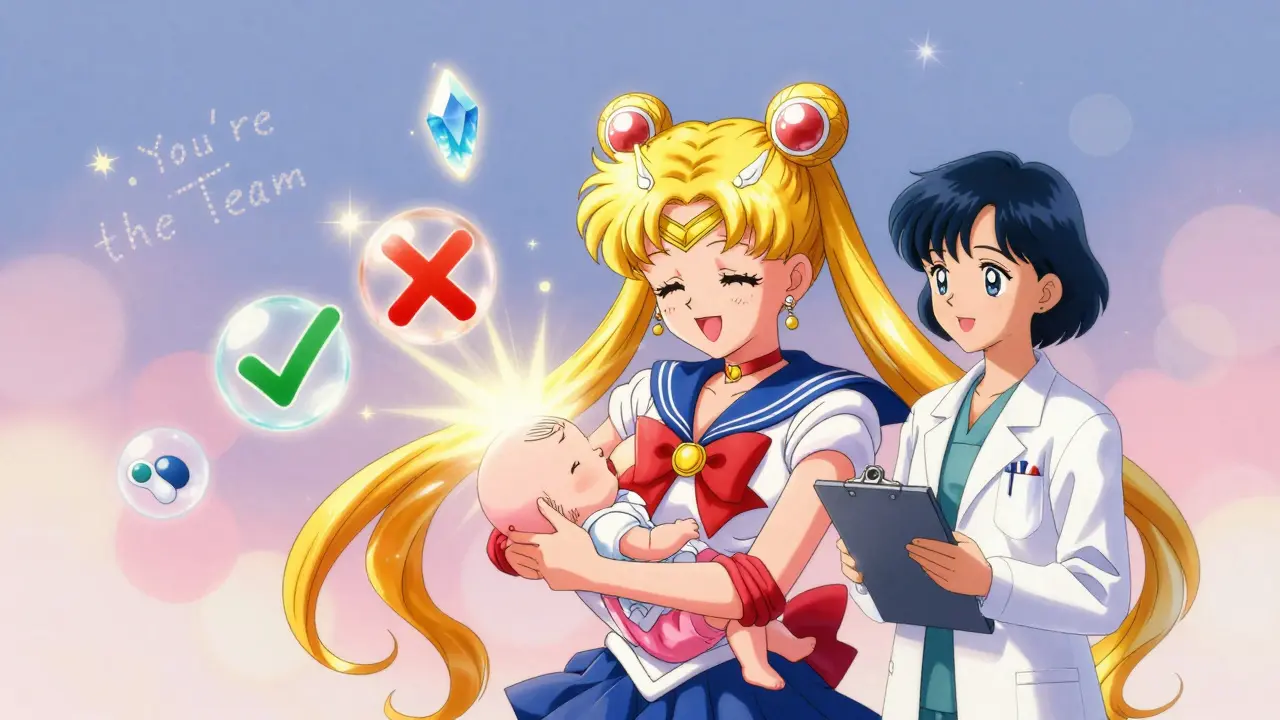
If you’re on a risky med, your OB/GYN might:- Switch you to a safer option
- Refer you to a maternal-fetal medicine specialist
- Order blood tests to check levels (like thyroid or lithium)
- Recommend a pharmacist who specializes in pregnancy meds
Some practices now use apps like Babyscripts to track blood pressure or medication adherence during pregnancy. If yours does, sign up. It reduces errors and gives you real-time feedback.
Why This Matters More Than Ever
More women are entering pregnancy with chronic conditions-diabetes, asthma, depression, autoimmune diseases. In 2010, 44% of pregnant women had at least one chronic condition. By 2025, that number is expected to hit 58%. That means more meds, more interactions, more risks.The FDA’s Pregnancy and Lactation Labeling Rule from 2015 tried to fix this-but 42% of commonly prescribed drugs still lack clear safety data. That’s why your role as an informed patient matters more than ever. You’re not just a passive recipient of care. You’re the most important part of the team.
Final Tip: Practice Before You Go
Write down your list. Say it out loud. Ask a partner or friend to quiz you: “What’s your dose of Synthroid?” “Do you still take that fish oil?” “Did you mention the CBD oil?”Patients who prepare their lists 72 hours before their appointment spend 15-20 fewer minutes in the exam room and report 40% higher satisfaction. Why? Because the conversation shifts from “What are you taking?” to “Let’s make sure this is safe for you and your baby.”
You deserve to feel confident about every pill you swallow during this time. And with the right prep, you can.
Should I stop all my medications when I get pregnant?
No. Stopping meds cold turkey can be more dangerous than continuing them. For example, if you have high blood pressure or epilepsy, stopping your medication could lead to seizures, preeclampsia, or preterm labor. Always talk to your OB/GYN before making any changes. Some meds are safe to keep taking, and others can be switched to safer alternatives.
Is it safe to take ibuprofen during pregnancy?
It’s generally not recommended after 20 weeks of pregnancy. Ibuprofen can affect fetal kidney development and reduce amniotic fluid levels. Before 20 weeks, occasional use is usually fine, but acetaminophen (Tylenol) is the safer choice for pain or fever during pregnancy. Always check with your OB/GYN before taking any NSAID.
Can I still take my antidepressants while pregnant or breastfeeding?
Many antidepressants, especially SSRIs like sertraline and citalopram, are considered low-risk during pregnancy and breastfeeding. Untreated depression can lead to poor prenatal care, preterm birth, or low birth weight. Your OB/GYN will weigh the risks of the medication against the risks of untreated illness. Never stop your antidepressant without medical guidance.
Why does my OB/GYN care about my herbal supplements?
Herbal products aren’t regulated like drugs, so their strength and ingredients can vary. Some, like black cohosh or evening primrose oil, can trigger contractions. Others, like St. John’s Wort, can reduce the effectiveness of birth control or interfere with other meds. Your OB/GYN needs to know everything you’re taking-even if you think it’s “just tea.”
What if I forgot to mention a medication at my appointment?
Call your OB/GYN’s office as soon as you remember. Most clinics have a nurse line or secure messaging system. It’s better to report it late than not at all. Many medication risks are dose- and timing-dependent, so your provider can assess whether there’s any real danger.
Do I need to tell my OB/GYN about alcohol or cannabis use?
Yes. Alcohol can cause fetal alcohol spectrum disorders, even in small amounts. Cannabis use during pregnancy is linked to lower birth weight and developmental delays. Your OB/GYN isn’t there to judge-they’re there to help you find safer ways to manage stress, pain, or nausea. Being honest gives them the tools to support you.
Brenda King
January 21, 2026 AT 18:36I brought my whole pill organizer to my OB appointment last month and she actually cried 😭
Not because I was overdoing it-because no one had ever shown up so prepared before.
She printed my list, laminated it, and hung it on her wall as an example for other providers.
Turns out, I’m not the only one who’s terrified of accidentally poisoning my future baby.
That spreadsheet saved my life. I was on melatonin and didn’t know it could mess with my cycle.
Now I’m on folic acid, magnesium glycinate, and zero CBD gummies.
And yes, I still take ginger tea-my OB said it’s fine in moderation.
So if you’re reading this and thinking ‘it’s just a supplement’-stop.
You’re not being paranoid. You’re being smart.
And if your doctor rolls their eyes? Find a new one.
I did. And my pregnancy has been smooth as silk since.
Keith Helm
January 23, 2026 AT 14:13Medication review is not optional. It is a clinical imperative.
Failure to disclose all substances constitutes a breach of informed consent.
Standard of care requires full pharmacologic disclosure prior to conception.
Any deviation is negligent.
Daphne Mallari - Tolentino
January 23, 2026 AT 17:05How quaint that anyone still thinks ‘natural’ means ‘safe.’
It’s like saying ‘artisanal poison’ is less dangerous than industrial-grade.
St. John’s Wort? A botanical SSRI with no quality control.
Evening primrose oil? A uterine stimulant masquerading as ‘wellness.’
And yet, people proudly name-drop their ‘herbal cocktails’ like they’re sommeliers.
They don’t understand that ‘natural’ is a marketing term, not a medical one.
It’s not that I’m judgmental-it’s that I’ve seen the charts.
The ones with the stillborns who had mothers who ‘just took chamomile tea.’
Don’t romanticize ignorance. It’s not organic. It’s lethal.
Neil Ellis
January 24, 2026 AT 21:40Y’all, I used to think my turmeric latte was my little superpower.
Turns out, it was a tiny saboteur in my fertility journey.
My OB didn’t yell. Didn’t scold. Just smiled and said, ‘Let’s swap that for a warm lemon water.’
And honestly? That moment changed everything.
She didn’t make me feel like a dumbass for not knowing.
She made me feel like I was part of the team.
That’s the kind of care that doesn’t just save babies-it saves moms.
So if you’re nervous to talk to your OB? Just start with ‘I’m scared.’
They’ve heard it a thousand times.
And they’ll still hold your hand.
Because real medicine isn’t about pills.
It’s about trust.
And you deserve that.
Chiraghuddin Qureshi
January 26, 2026 AT 06:10Bro I took ashwagandha for 3 months trying to get pregnant 😅
My wife told me to stop after she read this post
Now we’re 8 weeks along and I’m just here crying happy tears 🙏❤️
Ryan Riesterer
January 27, 2026 AT 11:18Per ACOG guidelines, medication reconciliation should occur at preconception counseling, not during pregnancy.
Failure to adhere to this protocol increases teratogenic exposure risk by 37%.
Pharmacokinetic shifts in pregnancy alter bioavailability, particularly for lipophilic compounds.
Additionally, placental transfer coefficients vary by protein binding affinity.
Therefore, clinical documentation must be granular, including brand, formulation, and indication.
Otherwise, risk stratification becomes statistically invalid.
Liberty C
January 28, 2026 AT 16:38Oh great. Another article telling women they’re too dumb to know what’s in their own bodies.
Let me guess-next you’ll tell us not to breathe oxygen because ‘it might be unsafe.’
My grandma took cod liver oil while pregnant in the 50s. I’m 32 and still standing.
You people act like every herb is a grenade.
And don’t get me started on ‘CBD gummies’-I take one for anxiety and you want me to panic?
Meanwhile, your precious ‘Category C’ drugs? They’re literally in every pharmacy aisle.
Who’s really being irresponsible here?
It’s not the woman who takes ginger tea.
It’s the system that makes her feel guilty for existing.
And yes, I’m still taking my ‘dangerous’ magnesium. Fight me.
shivani acharya
January 30, 2026 AT 11:45So let me get this straight-your OB wants you to list EVERYTHING you’ve ever put in your body?
Even the chamomile tea you drank once in 2019 when you were stressed?
And if you forget one tiny supplement, your baby’s gonna turn into a lizard?
Meanwhile, Big Pharma is selling you 12 different prenatal vitamins with 37 ingredients you can’t pronounce.
And you think the problem is the woman who takes turmeric?
Wake up. This isn’t safety.
This is control.
They want you scared.
They want you dependent.
They want you signing consent forms while your brain is fried from anxiety.
And don’t even get me started on the ‘secure messaging system’-that’s how they track you.
They know you took a sip of wine.
They know you smoked weed in college.
They know you cried at night because you felt like a failure.
And now they’re gonna use it all against you.
They’re not helping you.
They’re policing you.
And you’re handing them the keys.
Good job.
👏
Sarvesh CK
January 31, 2026 AT 04:51There’s a profound tension here between autonomy and precaution.
On one hand, the body is a complex ecosystem, and pharmacological interventions-whether synthetic or botanical-interact in ways we’re still mapping.
On the other, the medicalization of pregnancy has created a culture of hyper-vigilance that can erode self-trust.
Perhaps the real question isn’t ‘what should I disclose?’
But ‘who am I allowed to be in this process?’
Are we here to be patients-or to be mothers?
And if the latter, shouldn’t intuition, ancestral wisdom, and lived experience be part of the equation?
I’m not advocating recklessness.
But I’m asking: when did ‘care’ become synonymous with ‘compliance’?
And who benefits when a woman’s confidence in her own body is replaced with a checklist?
Perhaps the most dangerous thing we take isn’t a pill.
It’s the belief that we’re not enough as we are.
Patrick Roth
January 31, 2026 AT 15:05Category C? That’s just a fancy way of saying ‘we don’t know.’
So why are we acting like Category A is the only safe option?
There’s zero evidence that ginger tea causes birth defects.
But there’s plenty of evidence that fear causes miscarriages.
And who’s the real villain here? The woman who takes chamomile?
Or the system that profits from her anxiety?
Also, why does no one talk about how many ‘safe’ drugs are actually just untested in pregnant women?
Like, 80% of meds prescribed during pregnancy have no data.
But we’re terrified of turmeric?
That’s not science.
That’s capitalism dressed up as caution.
Kenji Gaerlan
January 31, 2026 AT 19:50lol i forgot to tell my doc i take melatonin and now i’m 12 wks and she just said ‘eh it’s fine’
so yeah u can chill
also i still smoke weed and my kid is 3lbs of pure angel
u all are so scared of everything
grow up
Brenda King
February 2, 2026 AT 13:54Keith, I hear you. But you’re talking like this is a legal form, not a human conversation.
My OB didn’t care about the word ‘clinical imperative.’
She cared that I showed up.
That I was honest.
That I didn’t pretend I knew everything.
And that I trusted her enough to say, ‘I’m scared.’
That’s not negligence.
That’s partnership.
And if your way makes women hide things?
Then your way is broken.