
How to Prevent and Treat Mouth Sores Caused by Medication
 Apr, 23 2026
Waking up to find your mouth feels like it's full of tiny, stinging needles is a nightmare, especially when you're already fighting a major illness. Whether it's chemotherapy or high-dose radiation, some medications don't just target the bad cells-they attack the delicate lining of your mouth. This condition, known as oral mucositis is an inflammatory response where the oral mucosa is damaged, leading to painful ulcers and sores, is incredibly common. In some cases, up to 100% of patients undergoing certain treatments experience it.
The real frustration? Most people try to treat these sores after they appear. But here's the secret: the most effective way to handle this is through prevention. Once those ulcers form, you're playing catch-up. By using a proactive strategy, you can significantly reduce the pain and keep your nutrition on track during treatment.
| Method | Best For | Key Benefit | Potential Downside |
|---|---|---|---|
| Benzydamine Rinse | Radiotherapy | 34% lower risk of sores | Can sting upon use |
| Cryotherapy (Ice Chips) | Specific Chemo (5-FU) | 50% reduction in severe cases | Extreme cold sensitivity |
| Palifermin | Stem Cell Transplants | Highly effective for severe cases | Very high cost |
| Baking Soda Rinse | General Maintenance | Neutralizes acidity | Mild effect |
Getting Ahead of the Pain: Pre-Treatment Steps
You shouldn't wait until your first dose of medication to think about your mouth. The gold standard is to get a full dental check-up 2 to 4 weeks before you start treatment. Why? Because bacteria or existing dental issues can make mucositis much worse. Experts suggest that nearly 80% of severe cases can be mitigated just by cleaning up oral health before the medicine hits your system.
Once you start, your daily routine needs a makeover. Toss out your standard toothbrush and grab a soft-bristle version-specifically ones with a bristle diameter of 0.008 inches or less. Hard bristles act like sandpaper on an already inflamed mouth. Also, check your toothpaste. Avoid anything containing Sodium Lauryl Sulfate (SLS). This common foaming agent can strip the protective layer of your mouth and make sores feel even more raw.
Using Temperature and Medication to Block Sores
If you're receiving specific chemotherapy drugs like 5-fluorouracil or melphalan, Cryotherapy is your best friend. It sounds simple, but the timing is everything. You need to suck on ice chips continuously for 30 minutes, starting exactly 5 minutes before the infusion begins. By chilling the blood vessels in the mouth, you limit the amount of medication that reaches the oral tissues, effectively "shielding" them from damage.
For those undergoing radiation, Benzydamine hydrochloride is often the first choice. This anti-inflammatory rinse is used 3 to 4 times a day. A pro tip here: use it about 15 minutes before you eat. This helps coat the mouth and reduces the pain associated with chewing and swallowing.
In more severe clinical scenarios, like hematopoietic stem cell transplants, doctors may use Palifermin. This is a recombinant growth factor that helps the mouth lining regenerate faster. While it's incredibly effective at reducing severe mucositis from 63% down to 20%, it's often prohibitively expensive for those without comprehensive insurance.

Managing the Symptoms When They Appear
Even with a perfect plan, some sores might still pop up. When they do, the goal shifts from prevention to pain management and infection control. One of the most praised over-the-counter options is Gelclair. This is a mucoadhesive gel that sticks to the sore and creates a physical barrier. Most users report immediate relief, though it can feel a bit "slimy," which might make talking a little awkward for a few minutes.
For a more natural approach, a simple baking soda rinse (1 teaspoon in 8 ounces of water) after meals is a lifesaver. It neutralizes the acid in your mouth and keeps the environment clean without the harsh sting of alcohol-based mouthwashes. Be cautious with Chlorhexidine. While it's widely prescribed to kill bacteria, it only offers modest benefits and can actually stain your teeth or change your sense of taste over time.
If you're dealing with extreme dryness (xerostomia), which happens to over 60% of radiation patients, artificial saliva products like Biotene can help. Some patients find that sipping water constantly or using a humidifier at night keeps the tissues moist enough to prevent the cracking that leads to ulcers.
Dietary Tweaks and Daily Hacks
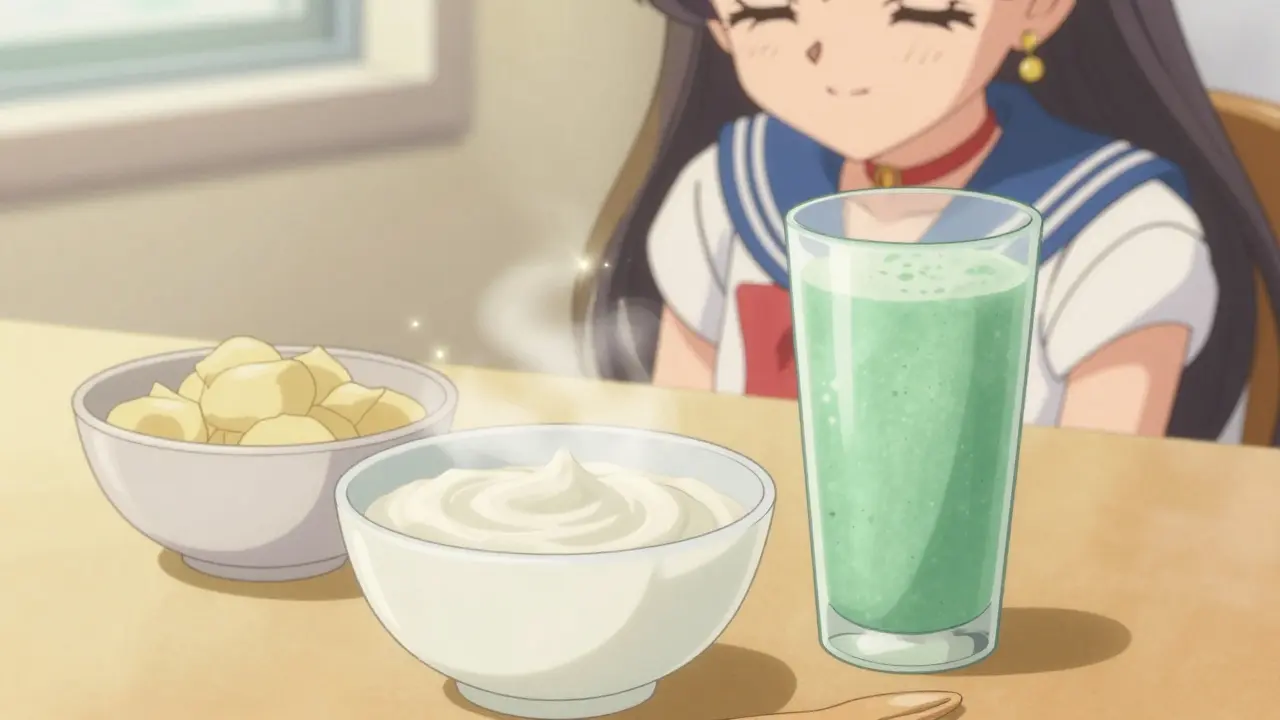
When your mouth is sore, your food choices become a matter of survival. Avoid the "three S's": Spicy, Salty, and Sour. A pinch of cinnamon or a squeeze of lemon can feel like acid on an open wound. Stick to bland, cool foods like yogurt, mashed potatoes, or smoothies. If you find chewing too painful, a blender is your best tool-turn everything into a nutritional shake.
Some people swear by Glutamine supplements. The protocol usually involves dissolving 15g of glutamine in water, swishing it around for two minutes, and then swallowing it four times a day. While the science is a bit mixed, many patients in head and neck cancer trials have seen a reduction in how long their sores last.
Here is a quick checklist for your daily oral care:
- Use a soft-bristle toothbrush twice daily.
- Switch to an SLS-free toothpaste.
- Rinse with baking soda and water after every meal.
- Apply protective gels (like Gelclair) before eating or sleeping.
- Stay hydrated with small, frequent sips of water.
Why are my mouth sores getting worse even though I'm cleaning my mouth?
It might be your toothpaste. Many standard brands use Sodium Lauryl Sulfate (SLS), which creates foam but can irritate the lining of your mouth. When your tissues are already compromised by medication, SLS can strip away the protective mucosal layer, making sores deeper and more painful. Switching to an SLS-free alternative often helps the mouth heal faster.
Is it safe to use alcohol-based mouthwashes for ulcers?
Generally, no. Alcohol is a drying agent and can be incredibly painful on an open ulcer. It can further dehydrate the oral mucosa, which actually increases the risk of more sores forming. Stick to saline solutions, baking soda rinses, or prescribed anti-inflammatory rinses like Benzydamine.
How do I know if my mouth sores are infected?
Look for a few red flags: a fever, a sudden increase in pain that doesn't respond to gels, or a thick white or yellow coating (which could be a fungal infection like thrush). If you notice these, contact your care team immediately. Avoid using systemic antibiotics without a doctor's order, as this can sometimes lead to other complications like C. diff infections.
Does the ice chip method really work for chemotherapy?
Yes, but only for specific drugs like 5-FU and melphalan. It works by causing vasoconstriction (narrowing the blood vessels) in the mouth, which prevents the chemo drugs from entering the oral tissues in high concentrations. The timing is critical: you must start 5 minutes before the infusion and continue for 30 minutes.
Can I use Benzocaine for the pain?
While Benzocaine is common, you should check with your doctor first. For most adults, it's a fine short-term fix, but some patients have sensitivities. Additionally, regulatory agencies like the FDA warn against using certain benzocaine products in very young children due to the risk of methemoglobinemia (a blood oxygen issue).
Next Steps and Troubleshooting
If you are just starting your medication journey, your first priority is a dental appointment. Don't skip this; it's the foundation of your prevention plan. If you are already in the middle of treatment and the pain is making it impossible to eat, ask your doctor about prescription-strength rinses like Dexamethasone, which can lower pain scores significantly.
For those who find ice chips too cold to bear, try using a very small piece of ice or a chilled plastic spoon to soothe the area. If your mouth feels "too dry to swallow," look into pilocarpine tablets or high-quality artificial saliva. The goal is to keep the environment moist and the bacteria low, allowing your body to heal between doses of medication.
Carol Yang
April 25, 2026 AT 04:02The tip about the soft toothbrush is a total game changer for anyone starting this journey!
Hayley Redemption
April 25, 2026 AT 15:33It's honestly amusing how this guide treats basic oral hygiene as a "secret." Anyone with a shred of medical literacy knows that SLS is an irritant. The formatting is fine, but the level of detail is essentially Pediatric 101. I suppose for the average person who can't be bothered to search PubMed, this simplified list is sufficient, though it lacks any real nuance regarding the systemic biological pathways involved in mucositis. It's a superficial overview at best.
Jon Moss
April 26, 2026 AT 20:06I really feel for anyone going through this right now. The ice chip thing sounds brutal on the teeth but the relief seems worth it.
Andre Ojakäär
April 28, 2026 AT 11:03everyone forgets the most important part... the mental toll of not being able to eat normally is literally a nightmare
no one mentions how it ruins your entire mood when you can't even have a piece of fruit without feeling like you're eating glass
Daniel Runion
April 30, 2026 AT 10:26Actually!!! The baking soda rinse is completely overrated!!! I've tried it multiple times and it does absolutely NOTHING for the deep ulcers!!! You need the heavy duty stuff or you're just wasting your time with salty water!!! Why do people act like this is some miracle cure when it's basically just a placebo for people who are scared of real medication!!! Ridiculous!!!
Gauri Parab
May 1, 2026 AT 05:04Imagine thinking a blender is a "tool" for survival. It's a kitchen appliance. The suggestion to use glutamine is particularly laughable given the conflicting data cited. If you actually looked at the double-blind studies, you'd see that the efficacy is marginal at best. Most of these "hacks" are just anecdotal fluff designed to make patients feel like they have control over a process that is fundamentally chemical. It's almost quaint how this post tries to organize a biological disaster into a neat little checklist. Please, let's stop pretending that a soft toothbrush is a medical intervention.
Elle Torres Sanz
May 1, 2026 AT 05:24I think we should remember that everyone's body reacts differently to these treatments. While some find the baking soda rinse mild, for others it's the only thing that doesn't cause a flare-up. It's all about finding that balance that works for your own unique system and being kind to yourself during the process. I've seen people from all sorts of backgrounds find peace with these small routine changes, and it really helps to have a community where we can share what actually works in the real world, regardless of the clinical data.
Karyn Tindall
May 1, 2026 AT 05:48I absolutely cannot believe some people are being so dismissive about the pain! It is an absolute tragedy to suffer through this and then have some "analysts" call it anecdotal fluff! The sheer audacity to belittle the struggle of someone fighting for their life while dealing with mouth sores is just beyond me! This is an emotional battlefield and calling it "quaint" is an insult to every single patient out there!