
How to Protect Your Privacy When Disposing of Medications
 Apr, 14 2026
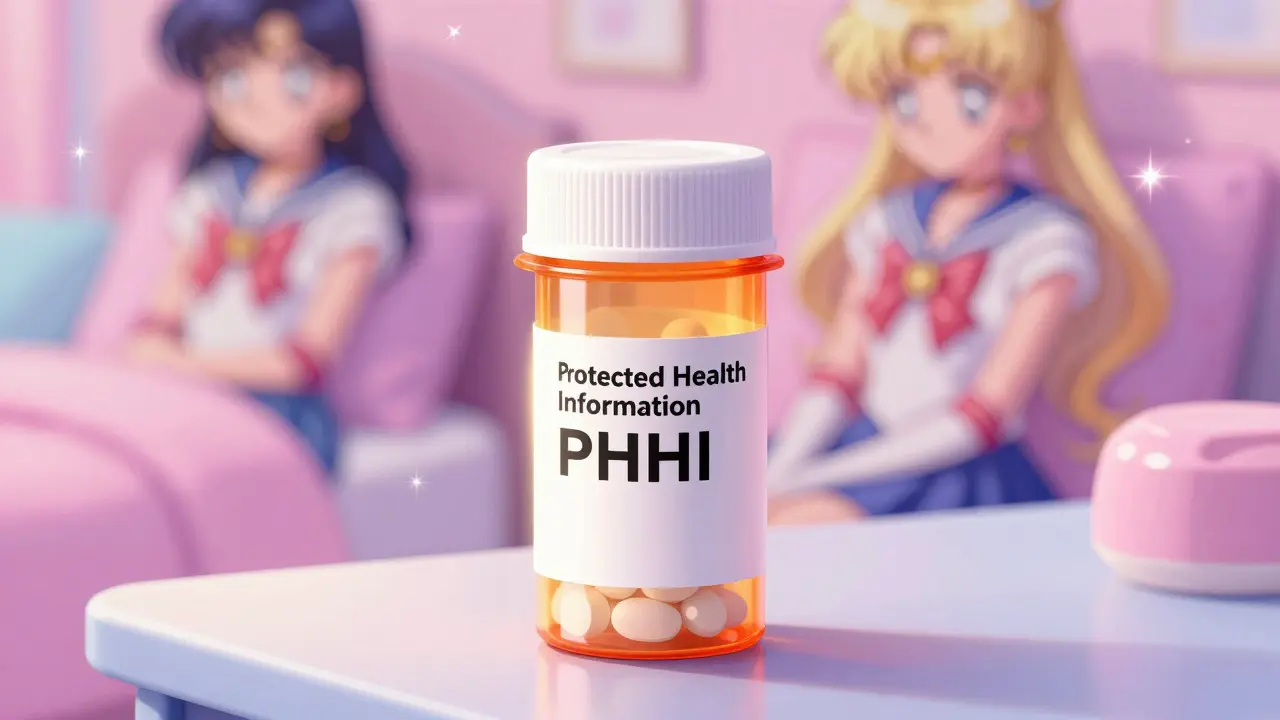
Most of us don't think twice about tossing an empty pill bottle in the trash. It seems harmless, right? But that little piece of plastic is actually a goldmine for identity thieves. Your name, address, prescription number, and the specific medication you're taking are all printed right there. This is what the pros call Protected Health Information or PHI, and when it ends up in a landfill without being obscured, it's an open invitation for fraud.
If you've ever wondered why pharmacies and government agencies make such a big deal about how you throw away your meds, it's because the risks are real. We're not just talking about someone knowing you take a certain vitamin; we're talking about prescription drug diversion and full-scale identity theft. In fact, research shows a staggering 42% of prescription bottles found in residential trash still have perfectly readable personal information. The goal here is simple: get rid of the chemicals safely and make sure your identity doesn't go with them.
Quick Summary: Privacy First Disposal
- The Danger: Prescription labels contain enough data for identity theft and insurance fraud.
- The Gold Standard: Use DEA-authorized take-back programs or mail-back envelopes for maximum security.
- The Home Fix: If you must use the trash, you have to physically destroy or black out all personal info on the bottle.
- The Exception: Check the FDA "Flush List" for high-risk meds that must be flushed immediately.
- Pro Tip: Use a permanent industrial marker or duct tape to ensure labels are unreadable.
Why Your Trash Can is a Security Risk
Think of your prescription bottle as a mini-medical record. Under the HIPAA Privacy Rule, this information is strictly protected while it's in the hands of your doctor or pharmacist. But once it hits your curbside bin, the legal protections end, and the physical risk begins.
Identity thieves can use the details on your label to impersonate you, open fraudulent accounts, or even commit insurance fraud. There are documented cases of people finding an opioid prescription bottle in the trash and using that information to illegally obtain more pills or charge fraudulent costs to the original patient's insurance. It’s a double blow: your medical privacy is gone, and your financial security is compromised.
The Best Ways to Dispose and Protect Your Data
Not all disposal methods are created equal. Some practically do the work for you, while others require you to be a bit of a detective to ensure your privacy is safe.
| Method | Privacy Level | Effort | Best For... |
|---|---|---|---|
| Drug Take-Back Programs | Highest | Low | Bulk disposal and maximum security |
| Mail-Back Envelopes | High | Medium | Convenience and privacy |
| Deactivation Pouches | Moderate | Medium | Chemical neutralization at home |
| Household Trash | Lowest | High | Non-hazardous meds when no options exist |
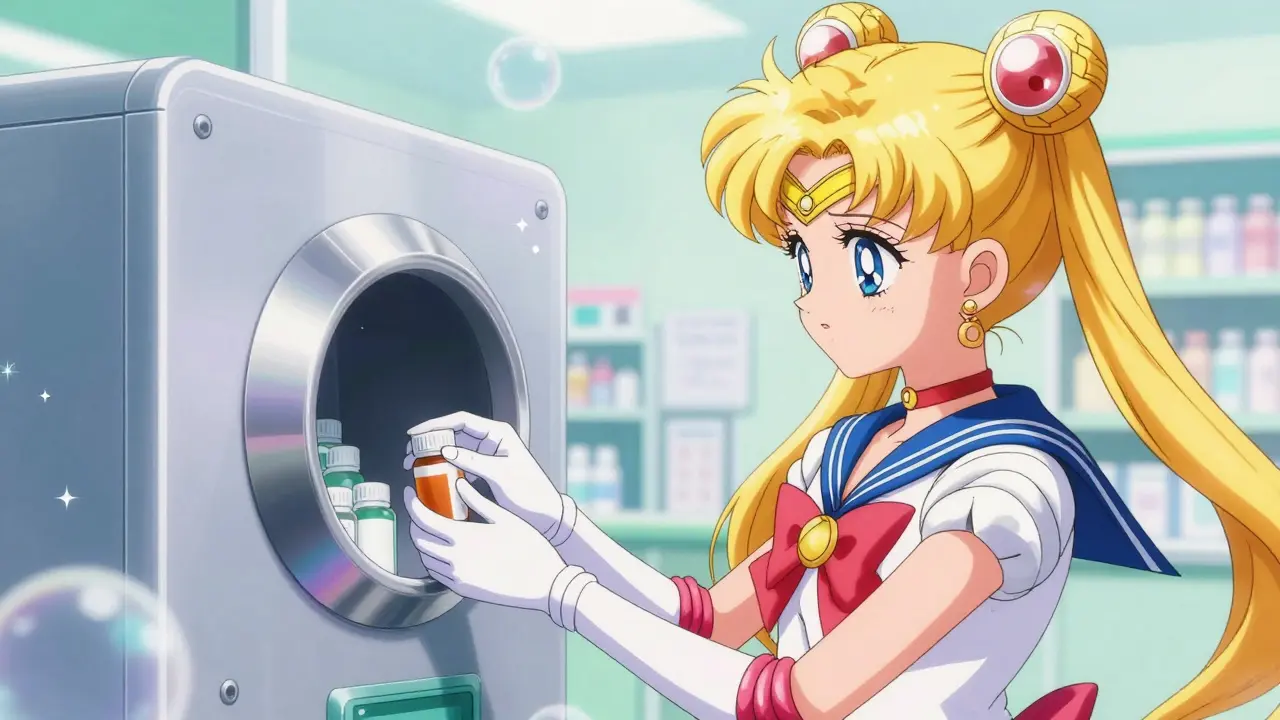
If you want the least amount of stress, look for DEA sanctioned take-back events or permanent drop-off kiosks at pharmacies like CVS or Walgreens. These are designed to destroy the medication and the packaging in a way that makes the information inaccessible to the public.
For those who can't leave the house, mail-back envelopes are a great middle-ground. You place the meds inside and send them to a facility that handles the destruction professionally. It costs a few dollars, but it's cheaper than recovering from identity theft.
The DIY Guide to Safe At-Home Disposal
Sometimes you just have to use the trash. If that's the case, you can't just toss the bottle. You need a system to make sure your Protected Health Information doesn't end up in the wrong hands. The FDA suggests a specific process that takes about 5 to 7 minutes per container if you do it right.
- Extract the Meds: Take the pills or liquid out of the original bottle. Do not throw the meds and the bottle away together in one piece; it's too easy for someone to fish them out of the trash.
- The Mix-Up: Mix the drugs with something gross, like used coffee grounds or cat litter. This makes the medication less appealing to anyone (or any animal) that might find it.
- Secure the Mixture: Put the mix into a separate sealable container with a lid.
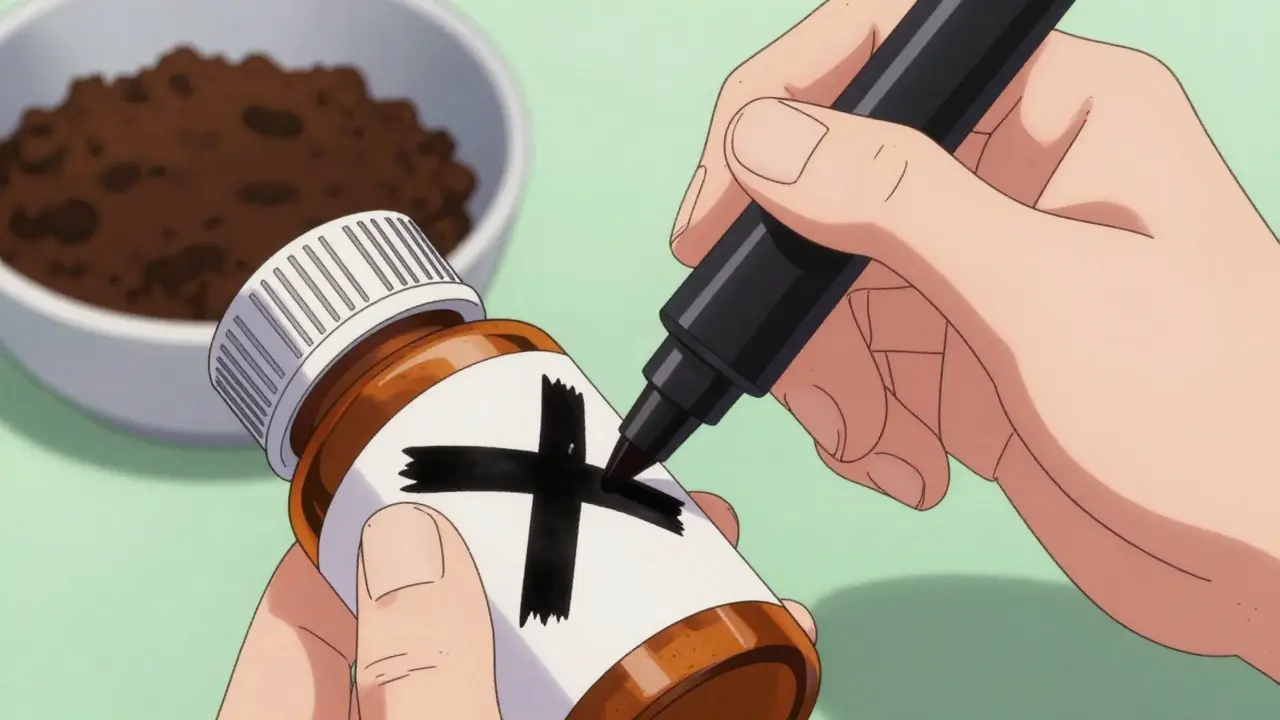
- Erase Your Identity: This is the most critical step for privacy. Take the original empty bottle and use a permanent marker to black out your name, address, and the Rx number. If the label is glossy and the marker smudges, use duct tape to cover the info or literally scratch the ink off the plastic with a key or knife.
- Split the Trash: Put the sealed mixture in one trash bag and the scrubbed bottle in another, or dispose of them at different times.
If you find scrubbing labels tedious, you might look into DisposeRx pouches. These use activated carbon to neutralize the drugs, and because the pouch is sealed, it adds an extra layer of security, though you still need to handle the exterior label of the original bottle.
When Privacy Takes a Backseat to Safety: The Flush List
There is one major exception to the "don't flush" rule. The FDA maintains a "Flush List" of medications-mostly potent opioids-that are so dangerous if accidentally ingested by a child or pet that they should be flushed immediately. In these cases, the risk of a fatal overdose outweighs the risk of identity theft or environmental impact.
If your medication is on this list, flush the pills first. Then, take the empty bottle and follow the privacy steps mentioned above (scratching out your name and Rx number) before tossing the plastic into the recycling or trash. Don't let the urgency of flushing the drug make you forget to protect your identity on the packaging.
Common Pitfalls and Pro Tips
Even people who mean well often miss a step. A common mistake is using a standard pen to cross out a name, only for the ink to fade or be seen through the paper when held up to the light. To avoid this, invest in a heavy-duty industrial marker. These are designed to stick to plastic and won't rub off.
Another issue is the "label struggle." Many prescription bottles have labels that are glued on so tightly they won't peel. Don't waste ten minutes fighting with the glue. Instead, focus on the three key data points: your full name, your date of birth, and the prescription number. Once those are gone, the bottle is virtually useless to a thief.
If you're helping an elderly relative, keep in mind that these steps can be confusing. Setting up a dedicated "privacy bin"-a small box with a shredder or a permanent marker attached-can make the process habitual rather than a chore.
Is it really possible for someone to steal my identity from a pill bottle?
Yes. A prescription label contains your full name, address, and often a prescription number that can be used to verify your identity or insurance coverage. Fraudsters use this to open accounts or illegally obtain medications by pretending to be you.
Why shouldn't I just throw the meds in the trash?
Beyond privacy, medications in the trash can be found by children or pets, leading to accidental poisoning. They can also leak into the groundwater, harming the environment. Using a take-back program solves both the privacy and the safety issue.
What is the "Flush List"?
The FDA Flush List is a selection of highly potent medications (mostly opioids) that should be flushed down the toilet immediately if a take-back program isn't available. This is to prevent accidental ingestion, which could be fatal.
Do I need to destroy the whole label or just my name?
You should obscure your name, address, and the prescription (Rx) number. These are the primary pieces of information used for identity theft and insurance fraud.
Where can I find a drug take-back location?
Many local pharmacies (like CVS or Walgreens) and police stations have permanent drop-off kiosks. You can also look for the DEA's National Prescription Drug Take Back Day, which usually happens twice a year.
Next Steps for a Secure Home
If you have a cabinet full of expired meds, don't tackle it all at once. Spend one afternoon sorting them into two piles: those on the FDA Flush List and everything else. Once you've sorted them, gather a permanent marker and some old coffee grounds, or better yet, find your nearest pharmacy kiosk.
For those who struggle with the physical task of scrubbing labels, consider using a small home shredder for any paper-based medication packaging. Making this a part of your monthly health check-up ensures that your medical history stays private and your home stays safe.