
OTC First Aid Guide: Antiseptics, Antibiotic Ointments, and Pain Relief
 Jun, 11 2026
Imagine you’re chopping vegetables for dinner when your knife slips. A clean, sharp cut appears on your finger, bleeding steadily. Your heart skips a beat, but then you remember the drawer in your kitchen cabinet. Inside sits a well-stocked first aid kit. You grab sterile gauze, an antiseptic wipe to clean the area, a tube of triple antibiotic ointment to prevent infection, and a bottle of ibuprofen tablets for the throbbing pain. Within minutes, the situation is under control.
This scenario highlights why over-the-counter (OTC) first aid medications are not just optional extras-they are essential tools for immediate healthcare. According to data from the Cleveland Clinic, these medicines allow you to manage conditions you can recognize yourself without needing a physician's prescription immediately. In fact, studies show that proper use of a comprehensive first aid kit can reduce complications from minor injuries by up to 48%. But having a box of supplies isn't enough; you need to know exactly which products work best and how to use them safely.
Antiseptics: The First Line of Defense
When a wound occurs, the primary goal is preventing bacteria from entering the bloodstream. This is where antiseptics come into play. These agents kill or inhibit microorganisms on living tissue. However, not all antiseptics are created equal, and using the wrong one can actually damage your skin and delay healing.
Hydrogen Peroxide (3% Concentration) Hydrogen peroxide is a household staple known for its fizzing action when applied to a wound. While it effectively kills bacteria, experts warn against pouring it directly into deep cuts. The bubbling action can destroy healthy tissue cells needed for repair. Instead, use it to clean the skin *around* the wound. Note that hydrogen peroxide loses effectiveness within 30 days of opening the container, so check expiration dates carefully.
Isopropyl Alcohol (60-70% Concentration) Alcohol pads are excellent for cleaning intact skin before an injection or disinfecting tools like tweezers. Applying alcohol directly to an open wound causes significant stinging-reported by 87% of patients in Cleveland Clinic surveys-and can irritate the tissue. Use it sparingly and only on surrounding areas.
Povidone-Iodine Solutions For broader antimicrobial coverage, povidone-iodine is often superior. A 2022 study in the Journal of Wound Care found that povidone-iodine reduced bacterial load by 99.8% compared to 92.3% for hydrogen peroxide. The downside? It stains everything yellow-brown. It’s ideal for larger scrapes where cosmetic appearance matters less than infection prevention.
| Antiseptic Type | Best Use Case | Avoid On | Shelf Life After Opening |
|---|---|---|---|
| Hydrogen Peroxide (3%) | Cleaning around wounds | Deep cuts, open tissues | 30 days |
| Isopropyl Alcohol (70%) | Disinfecting tools/skin prep | Open wounds (causes stinging) | Until evaporated/expired |
| Povidone-Iodine | Large scrapes, high-risk areas | Iodine-sensitive individuals | Check label (varies) |
Antibiotic Ointments: Preventing Infection
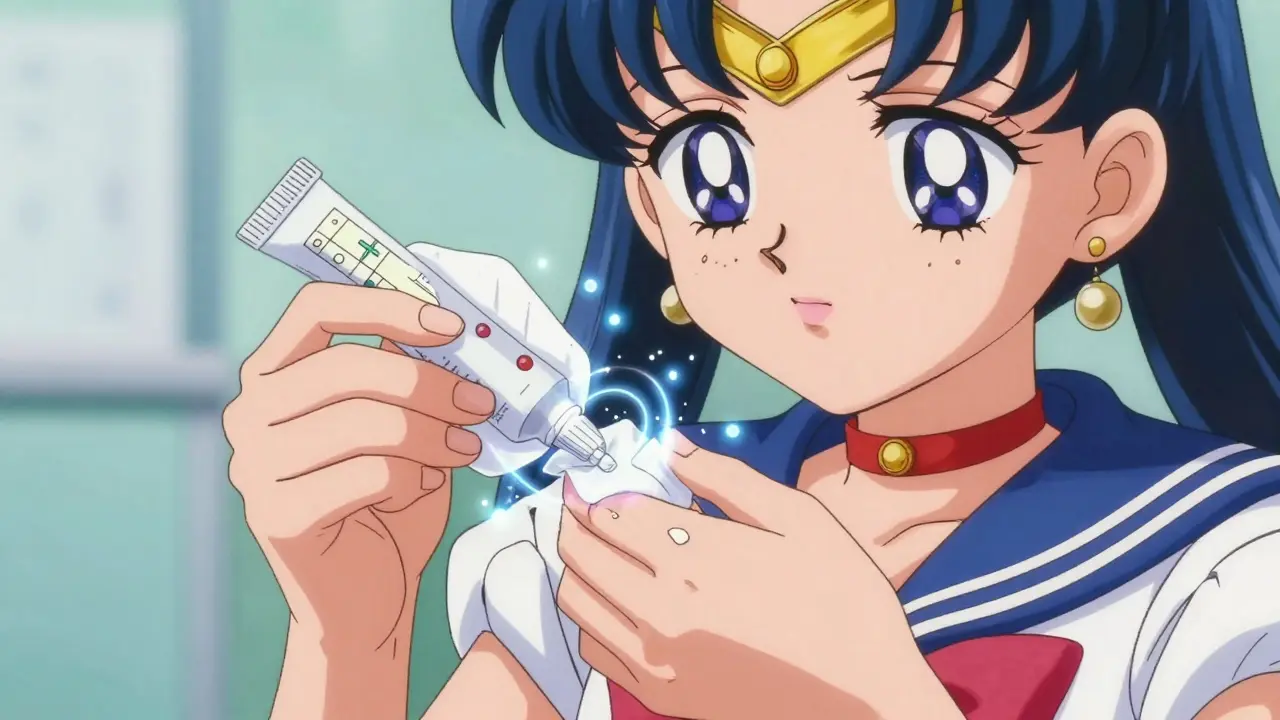
Once a wound is cleaned and dried, the next step is creating a barrier against bacteria. This is the job of antibiotic ointments. The gold standard here is the "triple antibiotic" formula, which combines three active ingredients: bacitracin, neomycin, and polymyxin B. Brands like Neosporin dominate the market, with a 2023 IQVIA report noting 68% consumer recognition.
Why triple antibiotics? They target a wider range of bacteria than single-ingredient options. A double-blind study at the Mayo Clinic involving 1,247 minor wound cases showed that triple antibiotic ointments prevented infection in 92.7% of cases, significantly outperforming single-antibiotic alternatives at 78.3%. To use them correctly, apply a thin layer to the cleaned wound and cover with a bandage if needed.
However, allergies are a real concern. Approximately 5.2% of the population has a sensitivity to neomycin, according to the New England Journal of Medicine. If you notice redness, itching, or swelling after application, stop use immediately. For those with sensitive skin, bacitracin-only ointments are a safer alternative. Remember, potency decreases by about 15% annually after opening, so replace your tubes every 12 months regardless of whether they look empty.
Pain Relief Medications: Managing Discomfort
Pain is the body’s signal that something is wrong, but severe discomfort can hinder recovery. Pain relief medications fall into two main categories: acetaminophen and nonsteroidal anti-inflammatory drugs (NSAIDs). Choosing the right one depends on the source of your pain.
Acetaminophen (Tylenol) Acetaminophen is ideal for general pain and fever, especially if you have stomach issues or allergies to NSAIDs. It works by blocking pain signals in the brain. The standard dose is 325-1,000mg per serving, with a strict maximum of 4,000mg daily. Exceeding this limit can cause severe liver damage. It is particularly effective for non-inflammatory pain, such as headaches, showing a 73% effectiveness rating in Princeton University Health Services data.
Ibuprofen (Advil, Motrin) Ibuprofen is an NSAID that reduces inflammation, making it the better choice for sprains, strains, or post-surgical pain. It inhibits enzymes that produce prostaglandins, chemicals responsible for inflammation. Take 200-400mg per dose, maxing out at 1,200mg daily. Be cautious if you have a history of gastrointestinal issues, as regular use carries a 1.2% risk of bleeding.
Aspirin While aspirin relieves pain and inflammation, its most critical role in a first aid kit is for potential heart attacks. Chewable aspirin tablets (325mg) should be taken immediately if someone shows symptoms of a heart attack, as the American Heart Association notes a 30% mortality reduction when administered within 30 minutes. Never give aspirin to children due to the risk of Reye’s syndrome.
Naproxen Sodium (Aleve) Naproxen offers longer-lasting relief (up to 12 hours) compared to ibuprofen’s 4-6 hours. However, it carries higher cardiovascular risks, particularly for those with pre-existing heart conditions. Use it sparingly and consult a doctor if you have chronic health issues.
| Medication | Best For | Daily Max Dose | Key Risk |
|---|---|---|---|
| Acetaminophen | Headaches, fever, non-inflammatory pain | 4,000 mg | Liver damage if overdosed |
| Ibuprofen | Inflammation, sprains, muscle pain | 1,200 mg | Stomach irritation/bleeding |
| Aspirin | Heart attack symptoms, general pain | Varies (consult label) | Bleeding risk, Reye’s syndrome in kids |
| Naproxen | Long-lasting joint/muscle pain | 660 mg (prescription higher) | Cardiovascular risk |
Safety, Storage, and Maintenance
Having the right medications is useless if they are expired or stored incorrectly. Dr. Sarah Johnson, Chief of Pharmacy at Cleveland Clinic, emphasizes that reading the Drug Facts label is crucial. Dosage errors account for 68% of OTC medication mistakes. Always use the calibrated spoon provided with liquid medications rather than kitchen utensils, which vary wildly in size.
Storage conditions matter more than you might think. Heat degrades medications rapidly. Laboratory testing by the University of Nebraska-Lincoln Health Center shows that exposure to temperatures above 86°F (30°C) for 14 consecutive days can reduce acetaminophen efficacy by 35%. Keep your first aid kit in a cool, dry place away from direct sunlight.
Regular maintenance is key. Mary Washington Healthcare recommends checking your kit twice a year, perhaps when daylight savings time changes. Their 2022 community survey found that 73% of household kits contained at least one expired item. Solid tablets often remain effective for 2-3 years past their expiration date, but liquid medications lose 20-30% potency annually. When in doubt, throw it out.
Building Your Essential Kit
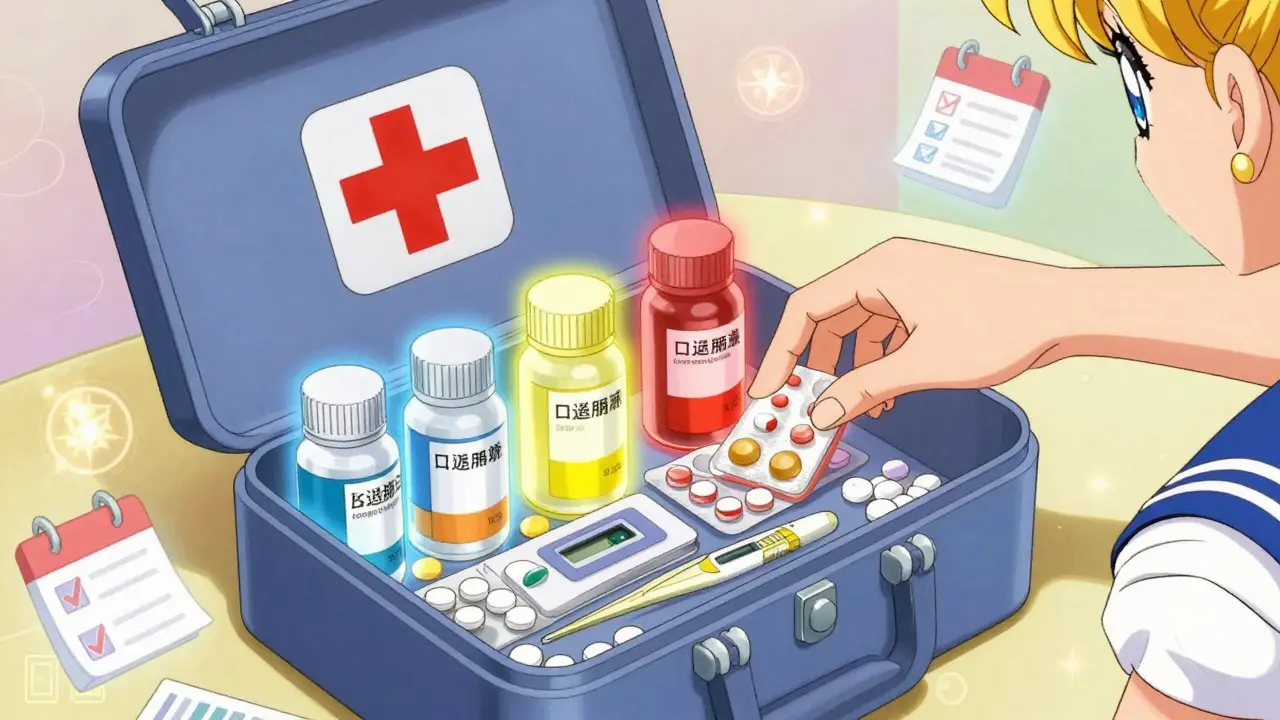
To ensure you are prepared for any minor emergency, your first aid kit should include:
- Antiseptics: Hydrogen peroxide wipes, alcohol pads, and povidone-iodine solution.
- Antibiotics: One tube of triple antibiotic ointment and one tube of bacitracin-only for sensitive skin.
- Pain Relief: Acetaminophen, Ibuprofen, and chewable Aspirin tablets.
- Supplies: Sterile gauze, adhesive bandages, medical tape, and scissors.
- Tools: Tweezers, safety pins, and a digital thermometer.
Remember, OTC medications are for minor ailments only. If you find yourself needing pain relief regularly, or if a wound shows signs of severe infection (pus, spreading redness, fever), seek professional medical attention immediately. As Dr. Michael Chen of Princeton University Health Services states, "If you feel you need to take them regularly, you should see a healthcare provider."
Can I put hydrogen peroxide directly on an open wound?
It is generally recommended to avoid putting hydrogen peroxide directly into deep or open wounds. While it kills bacteria, it also damages healthy tissue cells, which can delay healing. Use it to clean the skin around the wound instead, or opt for saline solution for rinsing deep cuts.
What is the difference between acetaminophen and ibuprofen?
Acetaminophen (Tylenol) primarily blocks pain signals in the brain and is best for headaches or fevers without inflammation. Ibuprofen (Advil/Motrin) is an NSAID that reduces inflammation and swelling, making it better for sprains, strains, or muscular pain. Ibuprofen can upset the stomach, while acetaminophen poses liver risks if overdosed.
How long do antibiotic ointments last after opening?
Antibiotic ointments lose approximately 15% of their potency each year after opening. Experts recommend replacing them every 12 months to ensure they are fully effective at preventing infection, even if the tube still contains product.
Should I keep aspirin in my first aid kit?
Yes, specifically chewable aspirin. It is crucial for emergency situations like suspected heart attacks, where chewing 325mg can help reduce mortality rates if taken within 30 minutes of symptom onset. However, never give aspirin to children or teenagers due to the risk of Reye’s syndrome.
How often should I check my first aid kit?
You should check your first aid kit at least twice a year. A good habit is to inspect it when daylight savings time begins and ends. Look for expired medications, empty supplies, and damaged packaging. Replace any items that are past their expiration date or have been exposed to extreme heat.