
Preventing and Correcting Pharmacy Errors with Generic Drugs
 Apr, 4 2026
Key Takeaways for Pharmacy Teams
- Generic drugs introduce risks due to varying physical characteristics (color, shape) across manufacturers.
- Technology like BCMA and CPOE can reduce medication errors by 50-55%.
- Patient counseling during the first fill catches 12-15% of potential substitution errors.
- Medication reconciliation is vital to identify discrepancies, especially during hospital discharge.
- Clinical errors-specifically dosage and strength discrepancies-are the most frequent causes of prescription corrections.
Why Generics Create Specific Safety Gaps
Most people think a generic is just a cheaper version of a brand, but for a pharmacist, generics add a layer of complexity. The main issue is that Bioequivalence-the FDA requirement that a generic absorbs at a rate between 80% and 125% of the brand name-doesn't mean the pills look the same. One manufacturer might make a round yellow tablet, while another makes an oval white one. When a pharmacy switches suppliers, a patient might see a different pill and assume they've been given the wrong medication. This confusion can lead to the patient skipping doses or taking double doses. Furthermore, "look-alike/sound-alike" (LASA) names are a constant threat. When you have five different generics with nearly identical names on the shelf, a simple reach-and-grab mistake can happen in seconds. Beyond the physical, inactive ingredients (excipients) vary. While they don't change the drug's primary function, a patient might be allergic to a filler in one generic version but not another. If the pharmacy doesn't track which specific manufacturer's product was dispensed, correcting an adverse reaction becomes a guessing game.Common Error Patterns and Their Causes
Not all mistakes are created equal. Data shows that prescription corrections usually fall into two buckets: administrative and clinical. About 48.7% of corrections are administrative-think wrong patient name or insurance errors. However, the other 51.3% are clinical, which is where the real danger lies.| Error Category | Frequency (%) | Example Scenario |
|---|---|---|
| Dosage Errors | 37.4% | Twice-daily vs. twice-weekly dosing confusion |
| Strength Discrepancies | 19.2% | Dispensing 20mg instead of 10mg of a generic beta-blocker |
| Dispensing Form | 14.4% | Wrong generic formulation (e.g., immediate vs. extended release) |
| Quantity Mistakes | 11.3% | Filling 60 tablets instead of 30 |
Technological Shields Against Mistakes
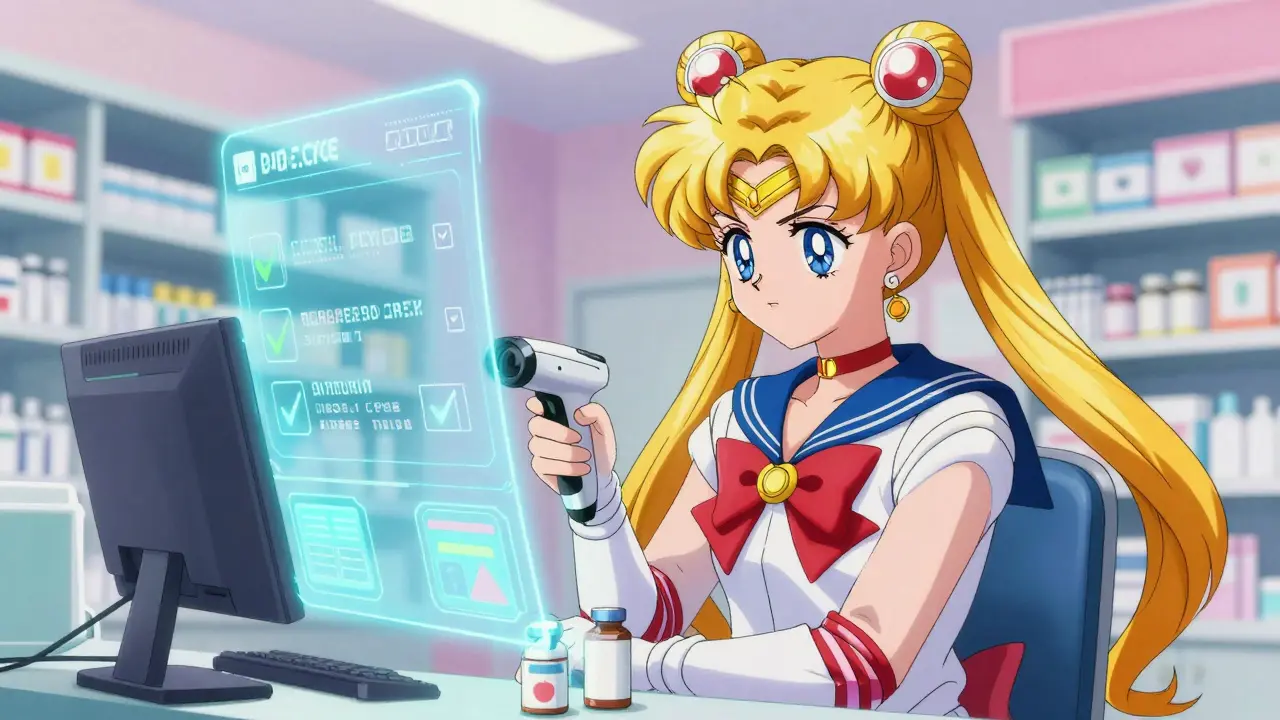
We can't rely on human memory alone. The industry has shifted toward electronic safeguards that act as a safety net. One of the most effective is BCMA (Bar Code Medication Administration). By scanning the medication and the patient's wristband or profile, BCMA can reduce adverse events by roughly 50%. It forces a hard stop if the scanned generic doesn't match the prescription. Then there is CPOE (Computerized Physician Order Entry). By removing the "messy handwriting" variable, CPOE reduces errors by 55% in hospitals. When a doctor selects a drug from a drop-down menu, the system can automatically flag if a generic substitution is inappropriate for that specific patient's history. For a more active defense, CDSS (Clinical Decision Support Systems) provide real-time alerts. If a pharmacist tries to dispense a generic that has a known interaction with another drug the patient is taking, the CDSS pops up a warning. However, there is a catch: "alert fatigue." When a system screams at a pharmacist for every minor detail, they start clicking "ignore" without reading. The goal is to tune these systems to flag high-risk generics specifically, rather than every single substitution.Manual Protocols That Actually Work
Technology is great, but it doesn't replace a good pharmacist. The "8 R's of medication safety" provide a manual checklist that every staff member should live by: Right patient, Right drug, Right time, Right dose, Right route, Right documentation, Right reason, and Right response. One of the most undervalued tools is the "first-fill counseling session." When a patient gets a new generic for the first time, spending an extra 3 to 5 minutes explaining what the pill looks like and why it might differ from the brand name can catch 12-15% of potential errors. It's the last chance to catch a mistake before the patient leaves the store. Another essential process is Medication Reconciliation. This is the process of creating the most accurate list possible of all medications a patient is taking. This is especially critical during hospital discharge. When a patient moves from a hospital (which uses one generic manufacturer) to a retail pharmacy (which uses another), discrepancies often emerge. A thorough reconciliation can uncover an average of 2.3 discrepancies per patient, preventing potentially fatal interactions.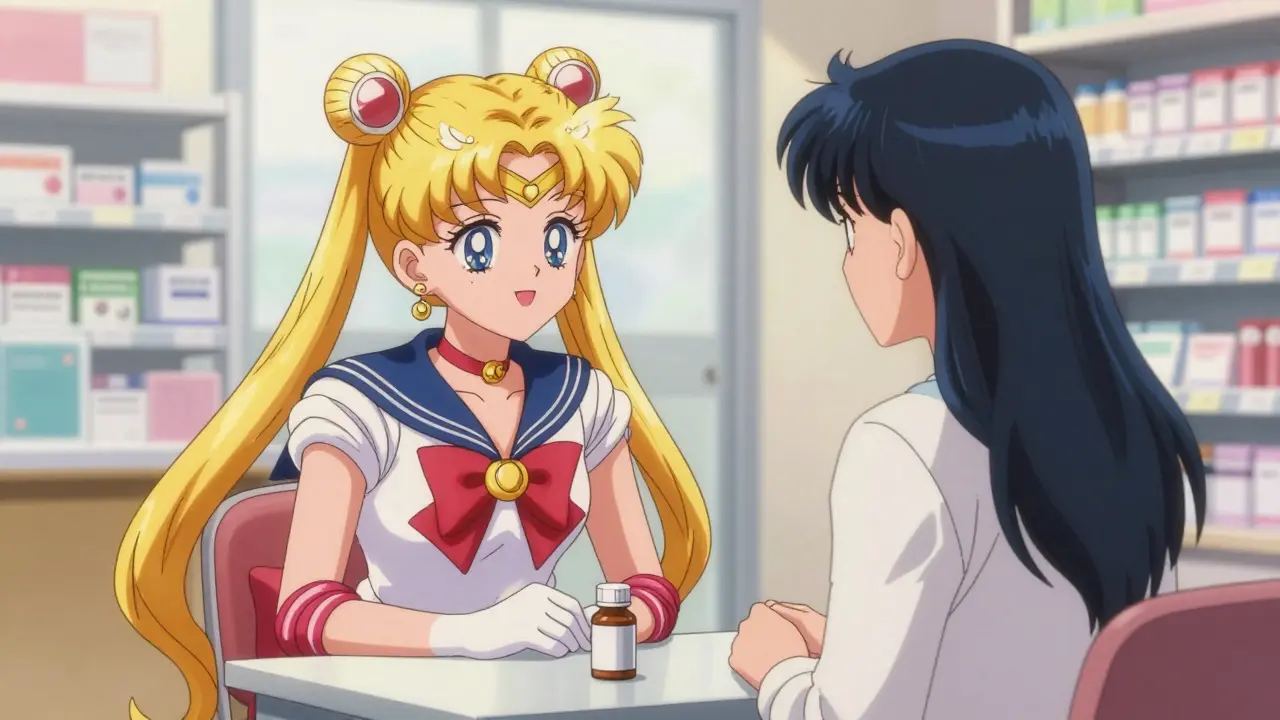
Correcting Errors After They Happen
No system is perfect. When an error does slip through, the focus must shift from blame to correction. The first step is immediate patient notification and clinical assessment. If a patient has taken the wrong strength of a generic, the priority is neutralizing the effect or providing the correct dose immediately. However, the real correction happens in the reporting. Only about 28% of community pharmacies maintain formal error tracking. Without a "near-miss" log, a pharmacy is just waiting for a disaster to happen. Logging a "near-miss"-where a pharmacist caught a generic substitution error before it reached the patient-allows the team to identify patterns. If the same generic drug is consistently misfilled, the problem might be the shelf placement or the way the drug is named in the database. To keep information current, pharmacies should use updated references. Many rely on outdated software, but maintaining a current subscription to tools like "Drug Facts and Comparisons" or using updated digital assistants like Epocrates ensures that the team knows the current formulations and potential pitfalls of the latest generic versions.Are generic drugs less safe than brand-name drugs?
No, generic drugs are not inherently less safe. They must meet the same standards for quality and bioequivalence as brand-name drugs. The "danger" comes from the process of dispensing and substituting them, where physical differences in pills or look-alike names can lead to human error.
What is bioequivalence and why does it matter for errors?
Bioequivalence means the generic drug delivers the same amount of active ingredient to the bloodstream at a similar rate as the brand name (usually within an 80-125% range). It matters because while the chemical effect is the same, the physical appearance can vary, which often confuses patients and leads to dispensing errors.
How can I tell if a generic substitution was an error?
Check the medication name, strength, and dosage instructions on the label. If the pill looks different from your last refill, don't panic-it might just be a change in manufacturer. However, if the dosage instructions have changed or the drug name is different, contact your pharmacist immediately for a reconciliation check.
What are the most common clinical errors with generics?
Dosage errors are the most frequent, occurring in about 37.4% of clinical correction cases. Strength discrepancies (e.g., 10mg vs 20mg) and issues with the dispensing form (e.g., immediate release vs extended release) are also highly common.
Does technology completely eliminate pharmacy errors?
No technology is a silver bullet. While CPOE and BCMA can reduce errors by over 50%, they can cause "alert fatigue," where staff ignore warnings. A combination of technology and manual checks, like patient counseling and the 8 R's, is the only way to maximize safety.
Sam Hayes
April 4, 2026 AT 15:08Working in a retail pharmacy for ten years and the BCMA systems are a total lifesaver honestly. People dont realize how fast you can grab the wrong bottle when the names are almost identical especially during the rush hour of a Monday morning
Hudson Nascimento Santos
April 5, 2026 AT 23:19It is fascinating how the perception of safety is tied to visual consistency rather than chemical efficacy. We trust the color of a pill more than the science of bioequivalence, which says a lot about the human psyche and our need for ritualistic familiarity in healing
Rob Newton
April 7, 2026 AT 00:55Systemic fixes are just band-aids for incompetence
Will Baker
April 8, 2026 AT 12:08Oh sure, because adding more software is exactly what overworked pharmacists need to feel great about their lives. I bet the people who design these systems never actually stepped foot in a pharmacy and just love the idea of more pop-up windows to ignore
Joey Petelle
April 9, 2026 AT 09:15Imagine thinking a digital checklist is the pinnacle of American healthcare efficiency. It is truly an exquisite comedy to watch us replace actual human intellect with a barcode scanner because we've devolved into mindless drones who can't tell a circle from an oval without a computer screaming at us in a sterile room
Joseph Rutakangwa
April 10, 2026 AT 06:59just focus on the counseling part. talking to the patient is the best way to catch things
Aysha Hind
April 10, 2026 AT 13:57The way they just swap manufacturers without telling you is totally sketchy. I bet the big pharma conglomerates use these generic shifts to test different fillers on us without any real oversight, and then they just call it a bioequivalence range to hide the side effects they're actually hunting for
The Charlotte Moms Blog
April 11, 2026 AT 05:49Absolutely terrifying... the lack of oversight is stunning!!! Why is the burden on the patient to check the label... instead of the pharmacy being perfect??? This is a systemic failure!!!
Vicki Marinker
April 12, 2026 AT 17:49The suggestion that a three-minute chat can solve a systemic failure of the pharmaceutical supply chain is laughably optimistic. It is simply an exercise in pretending that a superficial conversation mitigates the inherent dangers of industrial-scale drug production
Lawrence Rimmer
April 13, 2026 AT 04:32The apathetic nature of modern medicine is perfectly captured here. We just throw more technology at a problem that requires actual attention to detail and call it progress while the quality of care continues its slow descent into mediocrity
Sakshi Mahant
April 13, 2026 AT 21:08It is very helpful to see the breakdown of these errors. In many parts of the world, the system is even more fragmented, so emphasizing the importance of a reconciled medication list is a great point that benefits everyone regardless of their country
HARSH GUSANI
April 15, 2026 AT 04:49Why are we talking about US systems when India produces the most generics in the world anyway? 🇮🇳 Our standards are just as high and we handle the volume much better than these fancy US pharmacies do! 💊🔥
angel sharma
April 16, 2026 AT 18:14We really need to push for every single pharmacy in every single city to adopt these near-miss logs because that is how we actually grow as a profession and ensure that no patient ever suffers from a simple administrative slip that could have been avoided with just a little bit of shared data and a lot of team spirit and a commitment to excellence in every single dose dispensed!
Dipankar Das
April 17, 2026 AT 05:04I strongly urge all pharmaceutical managers to implement the 8 R's immediately without hesitation! It is the only way to maintain a gold standard of care and we must be aggressive in our pursuit of zero errors to protect the sanctity of patient health!
Dee McDonald
April 17, 2026 AT 05:10Get those near-miss logs started today! There is no excuse for not tracking these errors if we actually care about patient safety. Every single one of you managers needs to stop worrying about blame and start worrying about the system. Let's get this done and stop letting these mistakes slide through the cracks of a lazy workflow!