
Rifampin Drug Interactions: Managing CYP3A4 Induction in TB Treatment
 Aug, 28 2026
Rifampin CYP3A4 Interaction Estimator
Pick a medication, set its normal (baseline) blood level, choose how strongly it depends on CYP3A4/P-glycoprotein, and select when in the Rifampin course you are measuring. The tool estimates the remaining drug level and the resulting clinical risk.
| Medication | Typical reduction | Clinical consequence |
|---|
Educational estimate only — not a substitute for clinical judgment or therapeutic drug monitoring. Induction rises over ~5–7 days and lingers ~2 weeks after stopping.
Imagine taking your daily HIV medication, only to find out that a new prescription for tuberculosis is quietly rendering it useless. This isn't a hypothetical scenario; it's a common clinical reality for patients on Rifampin, also known as Rifampicin. As a cornerstone of modern Tuberculosis (TB) therapy, this antibiotic has saved countless lives by shortening treatment from 18 months to just six. However, its power comes with a significant catch: it acts as a potent catalyst for your body's drug-processing engines, often dismantling other medications before they can do their job.
For healthcare providers and patients alike, understanding the mechanics of CYP3A4 induction is not just academic-it's a matter of survival. When Rifampin activates specific nuclear receptors, it cranks up the production of enzymes that break down drugs at an accelerated rate. The result? Plasma concentrations of co-administered drugs like oral contraceptives, blood thinners, and antivirals can plummet by up to 90%. This article breaks down how this happens, which drugs are most at risk, and how clinicians manage these complex interactions to ensure safe, effective treatment.
The Engine Behind the Chaos: How Rifampin Induces Metabolism
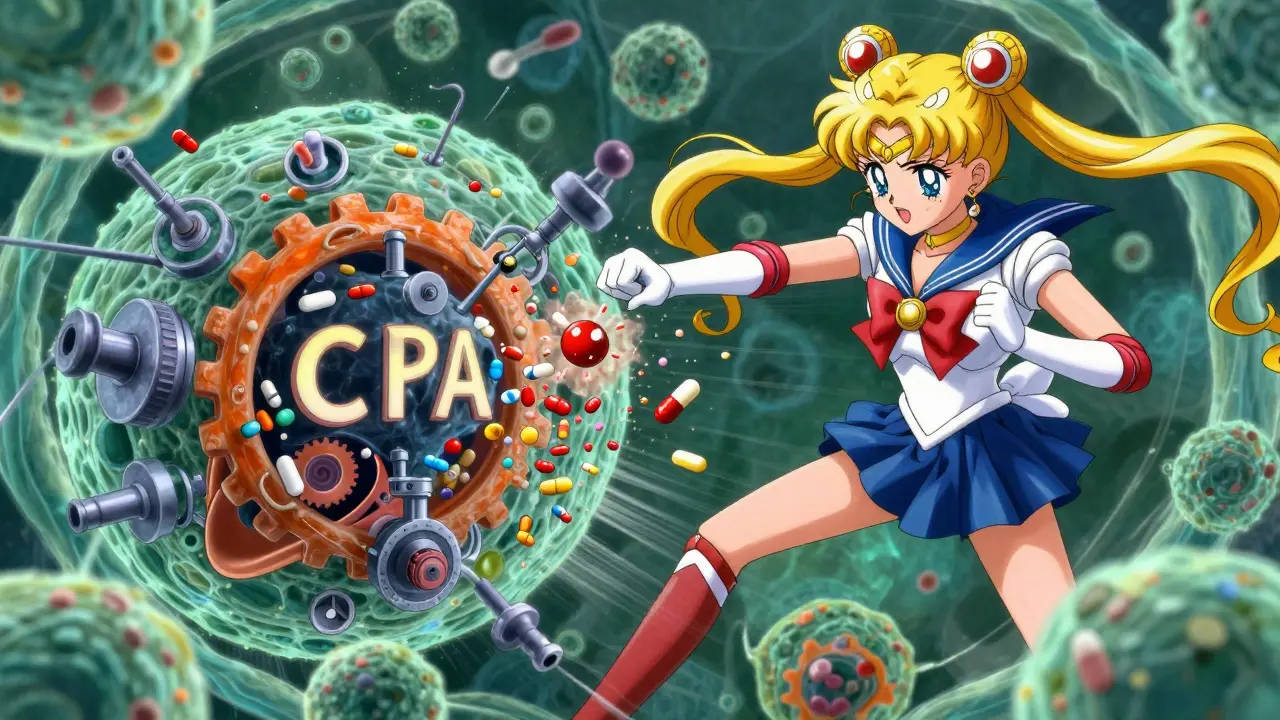
To understand why Rifampin causes so many drug-drug interactions, we have to look inside the cell. Rifampin doesn't just kill bacteria; it fundamentally changes how human cells process chemicals. Its primary mechanism involves binding to the Pregnane X Receptor (PXR), a nuclear receptor that acts like a master switch for gene expression related to detoxification.
- Activation: Within hours of ingestion, Rifampin binds to PXR in liver cells and intestinal tissues.
- Upregulation: Activated PXR moves to the nucleus and increases the transcription of genes responsible for producing Cytochrome P450 enzymes, particularly CYP3A4.
- Transporter Boost: It also upregulates P-glycoprotein (P-gp), a transporter that pumps drugs out of cells, further reducing their absorption and retention.
This process is rapid and intense. A single 600 mg dose of Rifampin can increase CYP3A4 activity by 200% to 400% within three days. Maximum induction occurs after five to seven days of continuous dosing. Crucially, this effect lingers. Even after stopping Rifampin, the induced enzymes take about two weeks to return to baseline levels. This 'washout' period is critical when transitioning patients off TB therapy or introducing sensitive medications.
High-Risk Medications: Who Gets Wiped Out?
Not all drugs are affected equally. Those metabolized heavily by CYP3A4 or transported by P-gp are the most vulnerable. Here’s a look at some of the most clinically significant interactions that require careful management:
| Medication Class | Specific Example | Reduction in Efficacy/Concentration | Clinical Consequence |
|---|---|---|---|
| Oral Contraceptives | Ethinyl estradiol | ~67% | Unplanned pregnancy |
| Anticoagulants | Warfarin | ~42% | Increased risk of clotting/stroke |
| HIV Protease Inhibitors | Lopinavir/Ritonavir | 75-90% | Viral resistance, treatment failure |
| Immunosuppressants | Cyclosporine | Significant reduction | Organ transplant rejection |
| Statins | Simvastatin | Nearly complete | Loss of cholesterol control |
The implications for HIV patients are particularly severe. Since many antiretroviral therapies rely on CYP3A4 for metabolism, Rifampin can reduce their plasma levels to sub-therapeutic ranges. This not only risks the return of active HIV but also promotes the development of drug-resistant viral strains. Clinicians often have to switch to integrase strand transfer inhibitors (INSTIs) or adjust dosing schedules dramatically to mitigate this risk.
The Paradox: When the Drug Fights Itself
Beyond human pharmacokinetics, Rifampin faces a unique challenge from its target: Mycobacterium tuberculosis. Recent research reveals a paradoxical behavior where the bacteria adapt to the drug itself. Studies have shown that *M. tuberculosis* develops tolerance to Rifampin through proton gradient-dependent efflux mechanisms. Essentially, the bacteria start pumping the drug out faster than it can kill them.
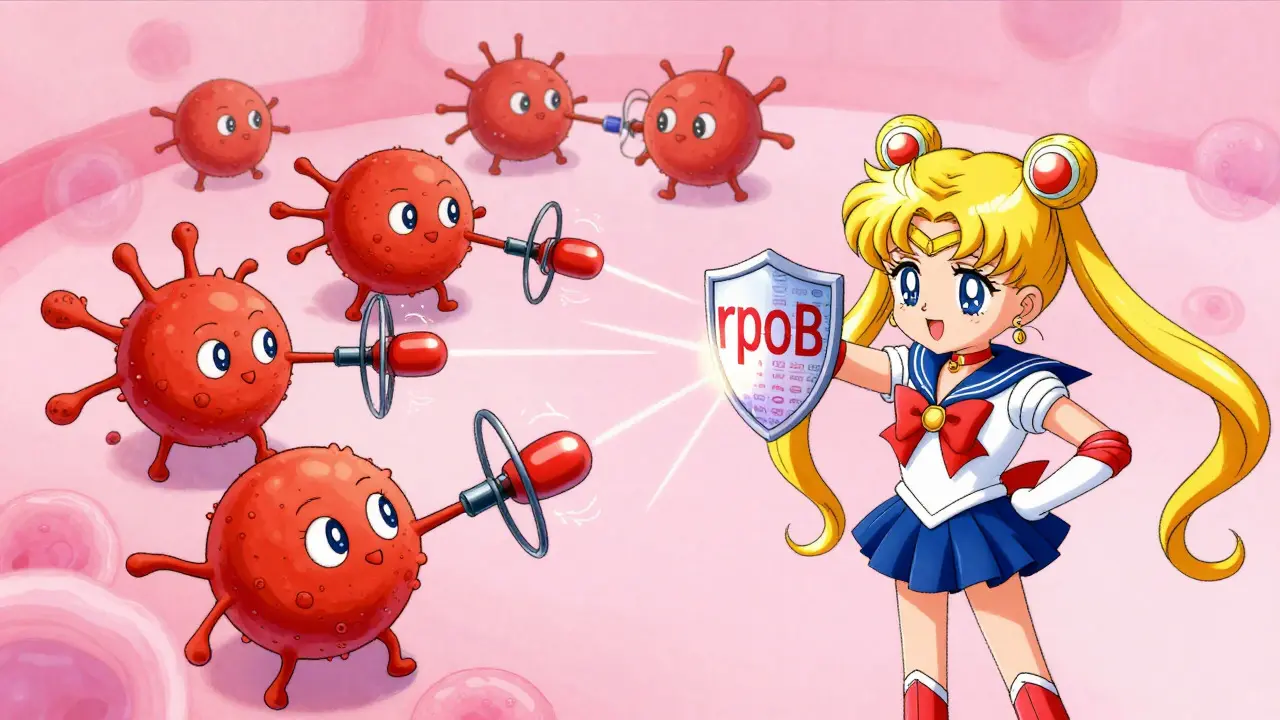
Even more intriguing, Rifampin exposure at sub-inhibitory concentrations triggers the upregulation of the *rpoB* gene in a subpopulation of mycobacteria. This gene encodes the target enzyme that Rifampin inhibits. By producing more of the target, the bacteria effectively dilute the drug's impact. This self-induced tolerance helps explain why TB treatment must be prolonged-shortening regimens below four months has been linked to relapse rates exceeding 25% in clinical trials. Understanding this biological feedback loop is crucial for developing shorter, more effective future therapies.
Managing the Risks: Clinical Strategies and Monitoring
Given the breadth of interactions, managing Rifampin therapy requires a proactive approach. It’s not enough to just prescribe the drug; you have to audit the patient's entire medication list. Here are key strategies used in clinical practice:
- Therapeutic Drug Monitoring (TDM): For high-risk patients, measuring actual blood levels of co-administered drugs (like Warfarin or Antivirals) allows for precise dose adjustments rather than relying on standard protocols.
- Alternative Regimens: In cases where interaction is unavoidable and dangerous, clinicians may consider Rifabutin, a related rifamycin with less potent induction effects, though it carries its own set of trade-offs.
- Patient Education: Patients must be warned about signs of treatment failure in their other conditions. For example, a woman on birth control should use backup contraception during TB treatment and for one month after stopping Rifampin.
- Liver Function Monitoring: Since Rifampin contributes to drug-induced liver injury (DILI), regular checks of liver enzymes (ALT/AST) are mandatory. Clinically significant elevations occur in 10-20% of patients.
One emerging strategy involves using existing drugs to counteract bacterial efflux. Research indicates that Proton Pump Inhibitors (PPIs) like Omeprazole and Verapamil can inhibit the efflux pumps in *M. tuberculosis*, potentially restoring Rifampin's efficacy. While still under investigation, this repurposing of common medications offers hope for overcoming resistance without developing entirely new antibiotics.
Adverse Effects Beyond Interactions
While interactions steal the spotlight, Rifampin has its own direct side effects that complicate care. Hepatotoxicity is the most serious concern, driven by oxidative stress and mitochondrial dysfunction. Patients may experience flu-like symptoms, including fever, chills, and muscle aches, especially if doses are missed and then resumed. Additionally, Rifampin turns bodily fluids-urine, sweat, tears, and saliva-a bright orange-red color. This is harmless but can cause alarm if patients aren't warned beforehand, leading them to think they have hematuria or bleeding gums.
An interesting off-label use exists for cholestatic liver diseases. By enhancing bile acid hydroxylation via CYP3A upregulation, Rifampin reduces ileal reabsorption of bile acids by approximately 40%. This provides relief from pruritus (itching) in 70-80% of patients with primary biliary cirrhosis, showcasing the dual nature of its metabolic effects: a nuisance in one context, a therapeutic tool in another.
Frequently Asked Questions
How long does Rifampin stay in the system after stopping?
While the drug itself is cleared quickly, its effect on enzyme induction lasts much longer. You should expect CYP3A4 activity to remain elevated for approximately two weeks after the last dose. This means interacting drugs will continue to be metabolized rapidly during this period.
Can I take food with my Rifampin dose?
It is best to take Rifampin on an empty stomach, either one hour before or two hours after eating. Food can decrease the absorption of the drug by approximately 30%, which might lower its effectiveness against the bacteria.
Why does Rifampin make my urine orange?
This is a normal, harmless side effect caused by the red-orange color of the drug and its metabolites. It affects urine, sweat, tears, and saliva. Be sure to warn family members or friends who share towels or contact lenses to avoid surprise.
Is Rifampin the same as Rifabutin?
They are both rifamycins used for TB, but they are different molecules. Rifabutin induces CYP3A4 enzymes much less potently than Rifampin, making it a safer choice for patients on heavy CYP3A4-metabolized drugs, such as those with HIV, though it requires closer monitoring for its own side effects.
What should I do if I miss a dose of Rifampin?
Take the missed dose as soon as you remember, unless it is close to the time for your next dose. Do not double up. Missing doses can lead to the development of drug-resistant TB and may trigger flu-like symptoms when you restart the medication.