
Teleaudiology: How Remote Hearing Care Is Changing Hearing Aid Adjustments
 Dec, 4 2025
For decades, getting your hearing aids adjusted meant driving to a clinic, waiting in a waiting room, and spending an hour with an audiologist - all for a small tweak to the volume or noise filter. Now, millions of people are skipping the trip entirely. With just a smartphone and a stable internet connection, you can have your hearing aids fine-tuned from your living room, kitchen, or even your backyard. This isn’t science fiction. It’s teleaudiology - and it’s already reshaping how hearing care works.
What Exactly Is Teleaudiology?
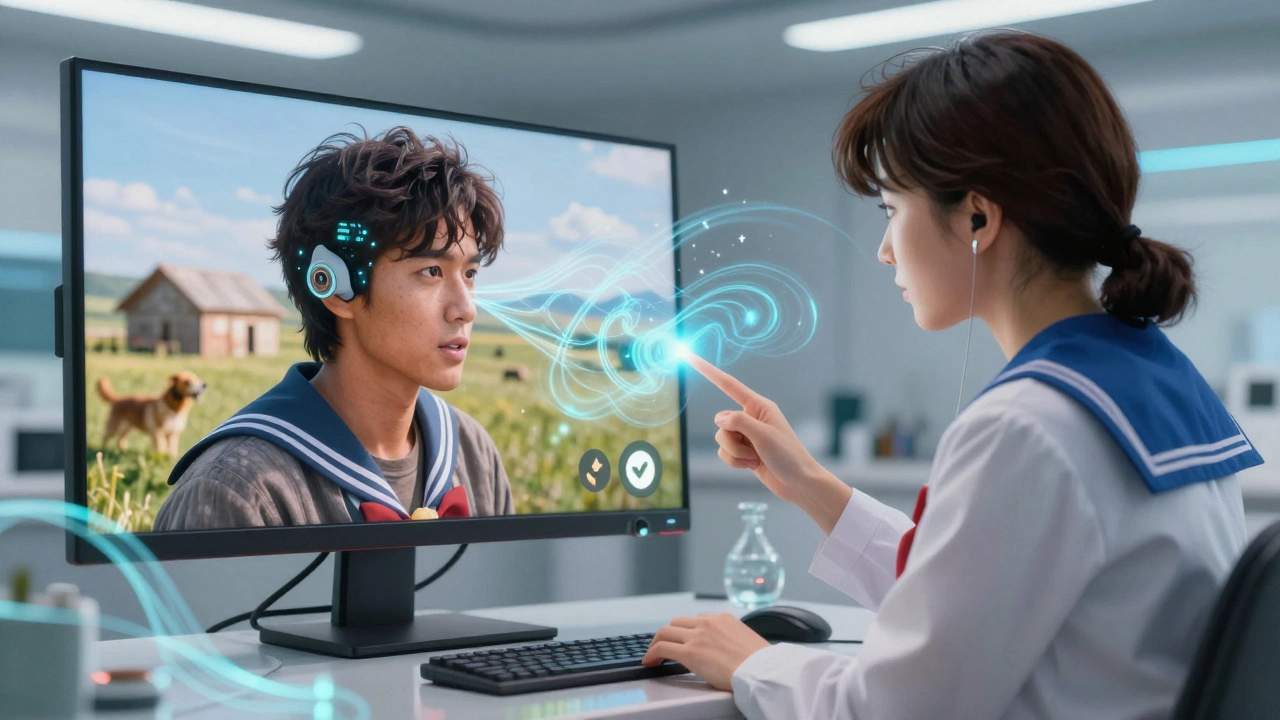
Teleaudiology is the use of video calls, apps, and remote tools to deliver hearing care without requiring a patient to be physically present. It’s not just about talking to your audiologist over Zoom. It’s about running hearing tests, adjusting your hearing aids in real time, getting counseling on how to handle noisy environments, and even monitoring your device’s usage patterns - all from home. The technology behind it is simpler than you think. Most modern hearing aids from brands like Phonak, ReSound, Oticon, and Starkey connect directly to your smartphone via Bluetooth. Once linked, you can use a dedicated app to send data back to your provider. They can then see how often you’re using your device, which environments you struggle in, and whether the settings need tweaking. Some systems even let the audiologist control your hearing aid settings live during a video call. This isn’t a new idea. Telemedicine has been around since the 1950s, but teleaudiology really took off during the pandemic. In 2021, nearly half of all hearing care providers in the U.S. started using remote tools to manage follow-ups. By 2023, that number jumped to 63%. It wasn’t just convenience - it was necessity. For people living in rural areas, driving 50 miles or more to see an audiologist was common. Now, that travel time drops to zero.How It Works: Synchronous vs. Asynchronous
There are two main ways teleaudiology works: real-time (synchronous) and delayed (asynchronous). Synchronous teleaudiology is like a video doctor’s visit. You log in at a scheduled time, and your audiologist sees you through the screen. They can guide you through hearing tests using sounds played through your phone or headphones. Some advanced platforms, like hear.com’s Clinic-in-a-Box®, even let the audiologist remotely control specialized testing equipment connected to your device during the session. You might be asked to press a button when you hear a tone, and the audiologist sees your response instantly. It’s surprisingly accurate - studies show remote pure-tone tests match in-clinic results 92-95% of the time in quiet rooms. Asynchronous teleaudiology is more like sending an email. You take a hearing test on your phone using an app like SHOEBOX.md. The app plays tones at different volumes and pitches, records your responses, and sends the data to your provider. They review it later, make adjustments to your hearing aids, and send you an update via secure messaging. No live call needed. This works great for routine check-ins or when you just need a small tweak. Both methods require a few basic things: a smartphone or tablet, a stable internet connection (at least 5 Mbps), and Bluetooth-enabled hearing aids. Most people over 65 can use these systems after one 30-minute tutorial. In fact, 82% of users in that age group manage it without trouble.What You Can and Can’t Do Remotely
Teleaudiology is powerful - but it’s not magic. It excels at follow-up care, not full diagnostics. Here’s what it does well:- Adjusting volume, noise reduction, and directional microphones
- Fixing feedback (that annoying whistling sound)
- Changing programs for different environments (restaurants, crowds, quiet rooms)
- Monitoring how often you use your hearing aids
- Providing counseling on communication strategies
- Reducing the need for repeat clinic visits
- Examine your ear canal for wax buildup or infections
- Perform physical hearing tests that require ear molds or specialized equipment
- Fit new hearing aids (you still need an in-person visit for that)
- Handle sudden hearing loss or medical red flags like dizziness or ear pain
Real-World Benefits: Saving Time, Money, and Stress
The numbers speak for themselves. - The average in-person hearing aid adjustment costs $140-$180. A remote session? $120-$150. That’s a 15-20% savings. - Patients save an average of $87 per visit in travel, parking, and time off work. - Travel time drops from 2.3 hours to nearly zero for rural users. - Patient satisfaction for remote adjustments is 4.6 out of 5 - higher than in-person visits at 4.2. But the biggest win? Real-world adjustments. In a clinic, your hearing aids are tested in a soundproof room. But real life doesn’t have soundproof rooms. You’re dealing with noisy kitchens, crowded buses, and family dinners. With teleaudiology, your audiologist can guide you through adjusting your settings while you’re actually in those environments. One case study from Hearzap showed patients who did remote adjustments in their own homes improved their ability to understand speech in restaurants by 31% compared to those who only had clinic-based tuning. For people with mobility issues, chronic illness, or no nearby audiologist, this isn’t just convenient - it’s life-changing. One 72-year-old in rural Montana avoided four 4-hour round trips over six months by resolving feedback issues through three 15-minute video calls. Another user in New Zealand, who lives on a farm 90 minutes from the nearest clinic, now adjusts her hearing aids on her tablet while making coffee in the morning.Challenges and Limitations
It’s not perfect. About 37% of remote hearing tests are affected by background noise - barking dogs, air conditioners, traffic. That can throw off results. The fix? Use wired headphones, close windows, and pick a quiet time of day. Many users report better results after 10 a.m. when the house is quieter. Bluetooth pairing issues are the most common technical problem, reported in one-third of initial sessions. If your hearing aids won’t connect to your phone, try restarting both devices, turning Bluetooth off and on, or resetting the hearing aid’s connection settings. Most manufacturers offer 24/7 tech support with average response times under 10 minutes. Another issue? Licensure. In 28 U.S. states, audiologists can’t legally provide services across state lines. If you move or spend winters in another state, you may need to find a new provider. Medicare still only covers teleaudiology in 18 states. Private insurance coverage varies widely. And while 89% of patients over 65 adapt well, some still struggle. If you’re not comfortable with apps or video calls, ask your provider for a phone-based option or in-person support during the transition.Who Benefits the Most?
Teleaudiology isn’t for everyone - but it’s perfect for specific groups:- People in rural or remote areas - no more 100-mile drives.
- Seniors with mobility issues - avoid stairs, parking, and long waits.
- Working adults - schedule adjustments during lunch or after work.
- People with chronic conditions - reduce exposure to germs in clinics.
- Those with frequent hearing aid issues - get quick fixes without waiting weeks for an appointment.

How to Get Started
If you’re thinking about trying teleaudiology, here’s how to begin:- Check if your hearing aids are Bluetooth-enabled. Most prescription models from Phonak, ReSound, Oticon, Starkey, and Widex are.
- Download your manufacturer’s app: myPhonak, ReSound Smart, Oticon ON, etc.
- Create a secure patient portal account through your audiologist’s clinic.
- Ask your provider if they offer teleaudiology services and what platform they use.
- Schedule your first virtual appointment. Most take 20-45 minutes.
- Prepare your space: quiet room, charged phone, headphones ready.
The Future: AI, OTC Hearing Aids, and Beyond
The next wave is even smarter. In late 2023, Widex launched “Widex Moment Adjust,” which uses AI to automatically detect your environment - like a noisy café - and adjust settings without you lifting a finger. Signia’s 2024 update now lets users of over-the-counter (OTC) hearing aids connect to tele-audiology services for the first time. That opens the door to millions of people who bought hearing aids online without professional support. The FDA’s April 2024 update expanded tele-audiology eligibility for OTC devices, potentially bringing remote care to 40 million more Americans. By 2027, analysts predict 55-60% of all hearing aid follow-ups will happen remotely. AI will handle 30-40% of routine adjustments - like volume tweaks based on usage patterns - leaving audiologists free to focus on complex cases. The World Health Organization calls teleaudiology “critical” to solving the global shortage of 200,000 hearing professionals by 2030. But the challenge remains: making sure everyone - regardless of tech skills, income, or location - can access it.Final Thoughts
Teleaudiology isn’t replacing in-person care. It’s enhancing it. Think of it as a tool in your hearing health toolkit - perfect for maintenance, fine-tuning, and quick fixes. But for new fittings, medical concerns, or complex issues, nothing replaces a physical exam. If you’re tired of long drives, long waits, and outdated systems, remote hearing care is here. It’s faster, cheaper, and more personalized than ever. And for the millions who live far from clinics or struggle with mobility, it’s not just convenient - it’s essential.Start by checking your hearing aid app. See if your provider offers remote support. Ask a simple question: “Can you adjust my hearing aids over video?” If the answer is yes, you’ve already taken the first step.
Can I use teleaudiology if I have an older hearing aid?
It depends. Most teleaudiology systems require Bluetooth-enabled hearing aids, which became standard around 2018. If your device is older than that, it likely doesn’t support remote adjustments. You can check your model on the manufacturer’s website or ask your audiologist. Some older models can be upgraded with a streaming accessory, but that adds cost. For non-Bluetooth aids, in-person visits are still necessary.
Are teleaudiology services covered by insurance?
Coverage varies. Medicare only pays for teleaudiology in 18 U.S. states. Private insurers like UnitedHealthcare and Blue Cross may cover it, but you’ll need to confirm with your plan. Some manufacturers offer subscription plans (like Phonak’s Remote Support at $29.99/month) that include unlimited adjustments. Always ask your provider for a cost breakdown before scheduling.
How accurate are remote hearing tests?
In quiet, controlled environments, remote tests are 92-95% accurate compared to in-clinic audiometry. But if your home is noisy - dogs barking, AC running, traffic outside - accuracy drops to 78-85%. Using wired headphones and testing during quiet hours improves results. Always follow your provider’s instructions for setup.
Can teleaudiology detect ear infections or wax buildup?
No. Teleaudiology cannot examine your ear canal. If you’re experiencing pain, fullness, dizziness, or sudden hearing loss, you need an in-person visit. These could be signs of infection, wax blockage, or other medical conditions that require physical evaluation. Never delay a clinic visit if you have these symptoms.
What if my internet goes out during a session?
Most platforms allow you to resume the session once your connection is restored. If the call drops completely, your provider will usually reschedule or switch to a phone call. For critical adjustments, it’s wise to have a backup plan - like using your phone’s cellular data instead of Wi-Fi, or keeping a landline number handy. Many providers also offer asynchronous options, so you can send test results even if you lose the call.
Is teleaudiology safe and private?
Yes, if you use approved platforms. Reputable providers use HIPAA-compliant or GDPR-compliant video systems with end-to-end encryption. Your hearing data is stored securely and only accessible to your care team. Avoid using consumer apps like Zoom or FaceTime unless your provider specifically approves them. Always verify you’re on your clinic’s official app or portal.
Can I use teleaudiology for my child’s hearing aid?
It’s possible, but less common. Children often need physical checks for ear molds, ear infections, or developmental hearing changes. Most pediatric audiologists still prefer in-person visits for kids under 12. However, teleaudiology can help with routine adjustments, monitoring usage, and parent training - especially for teens with hearing aids who are more tech-savvy.
Jennifer Patrician
December 6, 2025 AT 01:34Mark Curry
December 7, 2025 AT 23:23Manish Shankar
December 9, 2025 AT 08:47Lynette Myles
December 11, 2025 AT 08:21Annie Grajewski
December 12, 2025 AT 10:51Katie Allan
December 14, 2025 AT 07:41Kylee Gregory
December 15, 2025 AT 09:15Lucy Kavanagh
December 15, 2025 AT 18:13Chris Brown
December 15, 2025 AT 21:25sean whitfield
December 17, 2025 AT 19:52Mellissa Landrum
December 19, 2025 AT 00:45luke newton
December 19, 2025 AT 12:37James Moore
December 20, 2025 AT 02:57Stephanie Fiero
December 21, 2025 AT 08:28Laura Saye
December 21, 2025 AT 19:49