
Category: Pharmacy - Page 3

Fluoroquinolone Antibiotics and NSAIDs: Why Combining Them Raises Serious Neurologic and Kidney Risks
Combining fluoroquinolone antibiotics with NSAIDs raises the risk of severe kidney injury and long-term neurological damage. Learn who’s most at risk and what safer alternatives exist.
Managing Therapeutic Equivalents in Combination Products: Dose Differences and Real-World Risks
Managing therapeutic equivalence in combination drugs isn't just about matching labels. Dose differences, formulation changes, and NTI drugs create hidden risks. Learn how to avoid dangerous substitutions and protect patient safety.
Pharmacy Inventory Management: Effective Generic Stocking Strategies for 2026
Learn how to optimize generic drug inventory in pharmacies using data-driven strategies, reorder points, and real-world systems. Reduce costs, avoid stockouts, and improve cash flow with practical 2026-ready techniques.
Crossover Trial Design: How Bioequivalence Studies Are Structured
Crossover trial design is the gold standard for bioequivalence studies, allowing each participant to serve as their own control. This reduces sample size, improves accuracy, and meets global regulatory requirements for generic drug approval.
Generic combination products: When multiple generics equal one brand
Generic combination products combine drugs and devices, but substitution rules haven’t kept up. Learn why swapping generics for branded combos like EpiPen isn’t simple-and how new FDA rules are trying to fix it.
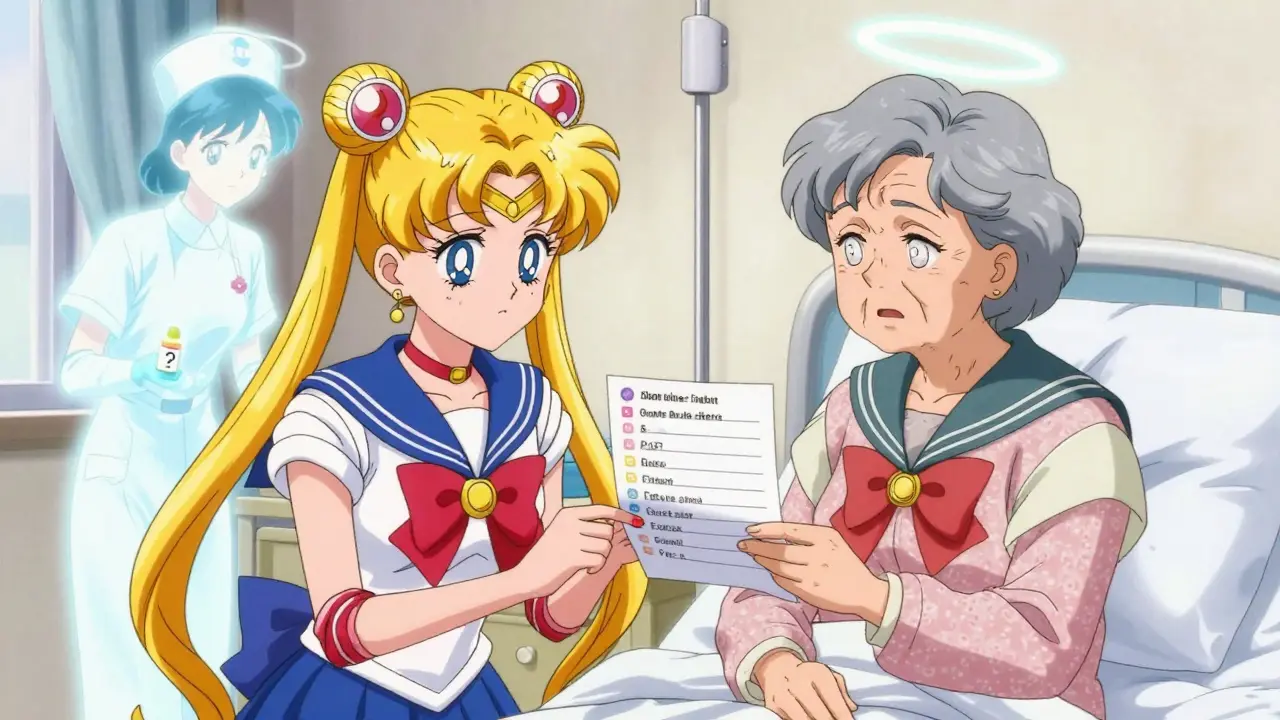
How to Identify and Report Elderly Medication Mistakes
Learn how to identify and report dangerous medication mistakes in elderly patients. Discover the most common errors, how to use the Five Rights checklist, and where to report mistakes to protect your loved one.
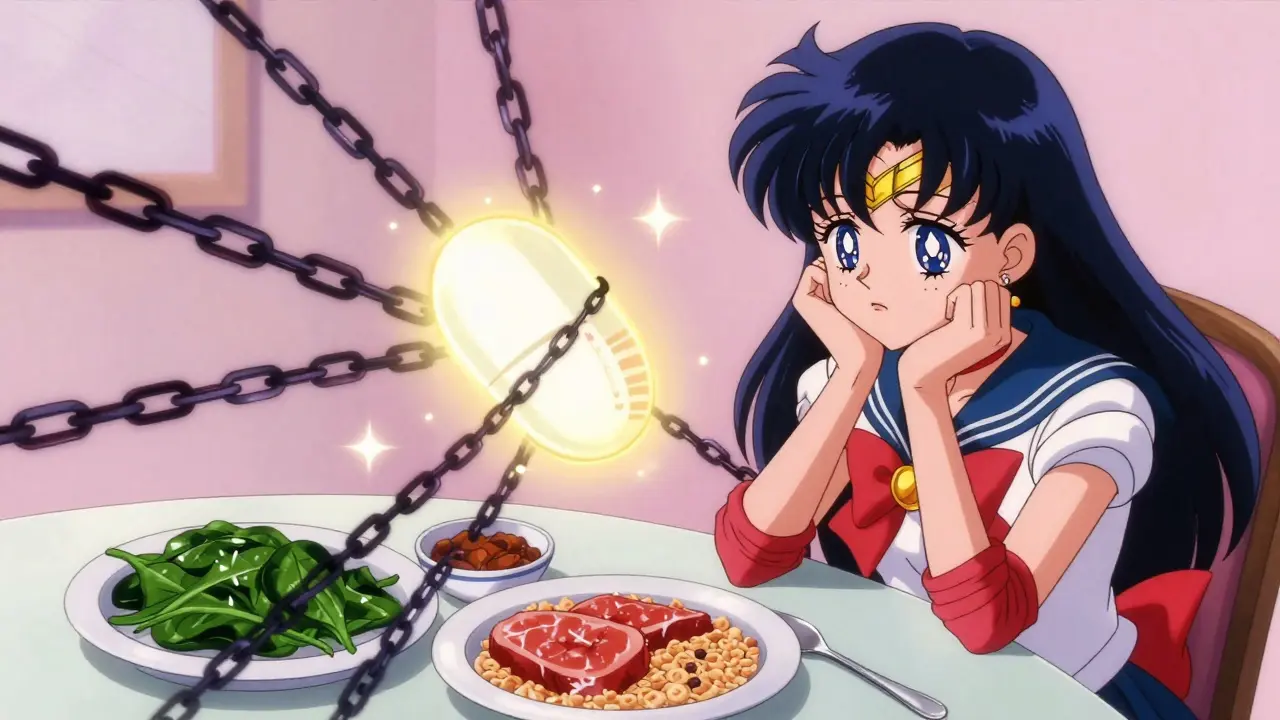
Iron-Rich Meals and Thyroid Medication: The Right Timing to Avoid Absorption Problems
Iron can block thyroid medication absorption, leading to untreated hypothyroidism. Learn the correct timing between iron-rich meals and levothyroxine to ensure your treatment works-plus practical strategies that actually fit real life.

REMS for Isotretinoin: iPLEDGE Requirements and Safety in 2026
iPLEDGE is the FDA's mandatory program to prevent birth defects from isotretinoin. Learn the 2026 requirements, recent changes, patient experiences, and how to navigate the system safely and efficiently.

How to Get 90-Day Fills to Lower Prescription Costs
Learn how to get 90-day prescription fills to cut your medication costs in half. Save money, reduce trips to the pharmacy, and improve adherence with simple steps anyone can take.
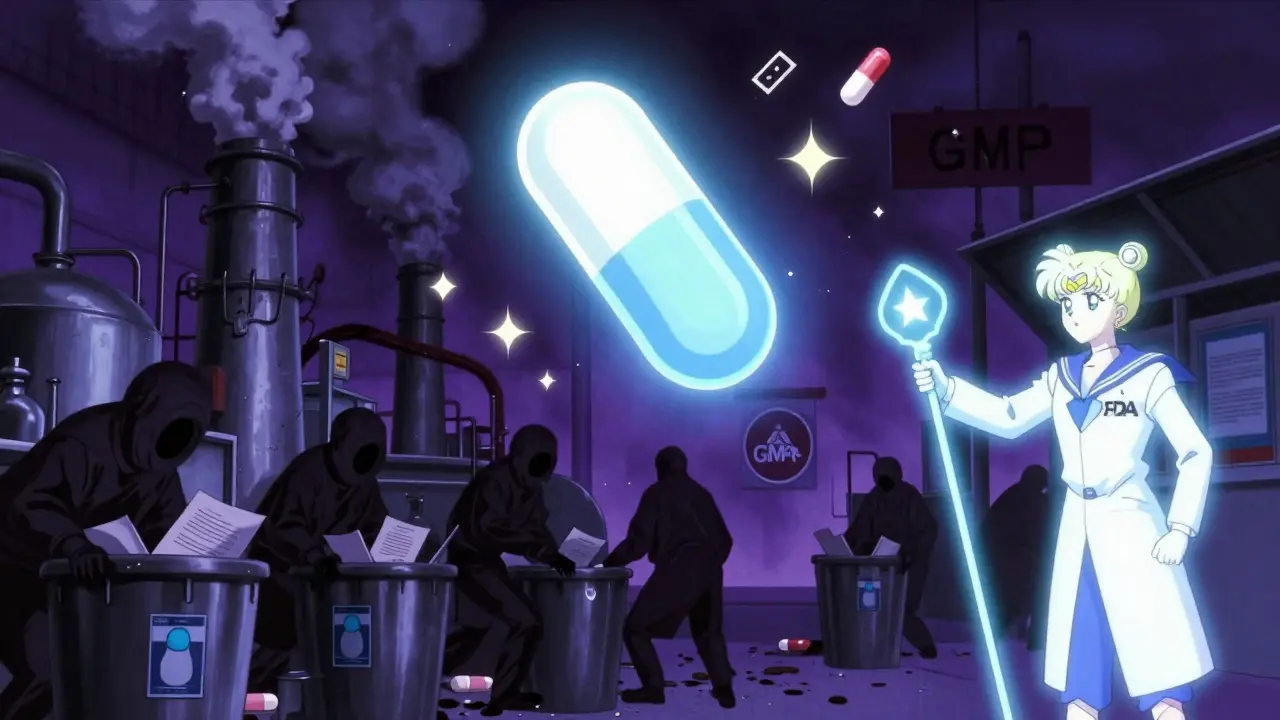
Generic Drug Quality Issues: Manufacturing Plant Problems Explained
Generic drug quality issues stem from manufacturing flaws in overseas plants, leading to recalls, ineffective treatments, and patient harm. Learn how cGMP failures, weak inspections, and cost-cutting are putting safety at risk.

Antihypertensive Combination Generics: What’s Available and How to Get Them
Antihypertensive combination generics combine two or three blood pressure drugs in one pill to improve adherence and lower costs. But availability and insurance coverage vary widely-here’s what you need to know to get the right one.
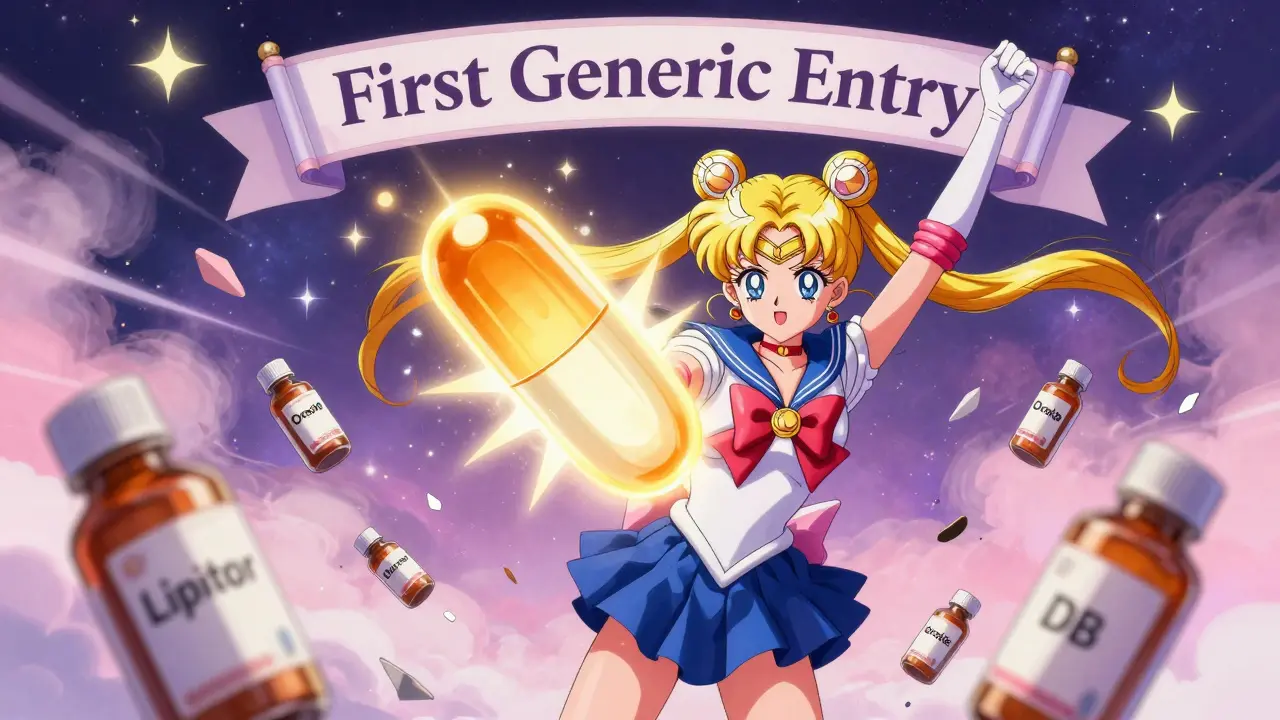
Why Prices Drop at Launch: The Real Reason First Generic Entries Crush Costs
First generic entries trigger massive price drops by exposing monopoly pricing. Whether in pharma, software, or electronics, competitors offering 80-90% of the functionality at 40-80% less cost force incumbents to slash prices or lose market share.